
ADU vs. Group Home for a Special Needs Adult: Which Is the Better Long-Term Option?
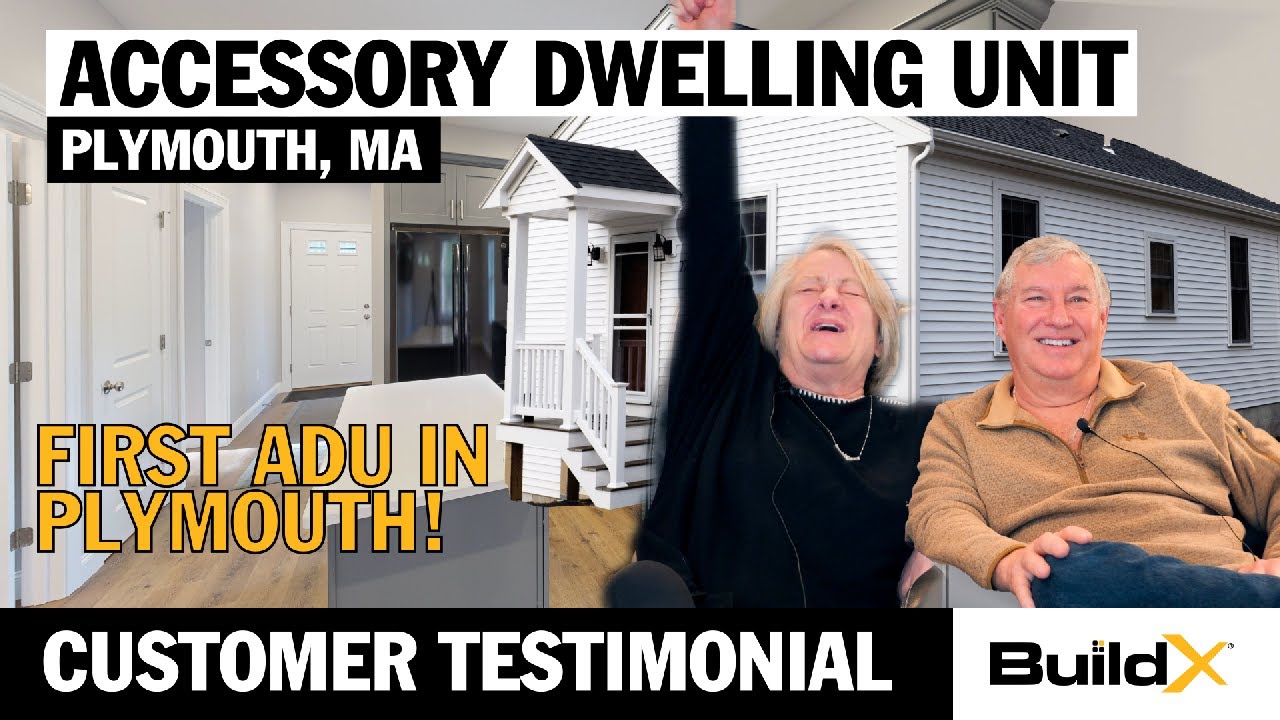
Watch: Plymouth's First ADU | Our Life-Changing Journey with BuildX
If you are the parent of an adult child who has a disability, you already know how important this question is: where will they live when you can't provide daily care for them? For many families, the answer has been a group home, not because it seemed right, but because no one gave you another good choice. The idea of building something that's better and closer, and will keep your child's dignity and independence, sounds appealing. But it also seems that it could be expensive, complicated, and uncertain.
My name is Buz Artiano, and I am the founder of BuildX. We've built dozens of ADU projects across Massachusetts, mostly around the South Shore and Plymouth County areas. We are the only team you need, we handle design, permitting, and construction. So we see every phase of a project from the first site visit up until you move in. We deal with septic constraints, zoning issues, and the state's new ADU laws.
Roughly 25 percent of the calls we get are about a family member with a disability of some kind, whether it's physical, cognitive, or both. When a family tells us they want to bring a loved one home from a group home or keep them from being put there in the first place, that is something we've discussed with families many times.
This article talks about the two most common long-term housing solutions for an adult child with special needs: a group home and a backyard ADU. We are not going to tell you that one is always better than the other because every family is different, disabilities are different, and the ways to deal with financing are also different. What we can do is give you all the facts you need to compare them yourself, including what each option costs, what life would be like in each one, and what happens to your child's government benefits with the one you choose.
Quick Answer: For many Massachusetts families, an ADU in your backyard is safer and more personal and is also a smart financial strategy compared to a group home. Group homes typically cost $2,000 to $4,000 per month, sometimes have only limited supervision by the family, and long waitlists. A completed ADU costs $250,000 to $375,000 to build, but it keeps your child on your property, under your supervision, in a home that was built for their specific needs. With proper legal planning, which includes a third-party supplemental needs trust, your child can live in the ADU without losing SSI or Medicaid benefits.
In This Article
- Which Option Gives Your Family More Control: A Group Home or an ADU?
- How Do Monthly Group Home Costs Compare to ADU Construction Costs?
- What Happens to My Child's Government Benefits if They Live in an ADU?
- Can You Design an ADU Around a Specific Disability?
- What Do Most Families Overlook When Comparing These Two Options?
- Is an ADU Always Better Than a Group Home?
- What Does It Feel Like to Choose the ADU Path?
- What Would a Backyard ADU Change for Your Family?
Which Option Gives Your Family More Control: A Group Home or an ADU?
The basic difference between these two choices is all about control. In a group home, your child lives in a shared facility that is managed by a third party. You don't get to choose the staff, or the daily routine, or who else might live in the home. Visits have to be on someone else's schedule. If you have problems about the quality of the care, your only remedy is to file a complaint with the state.
If your child lives in an ADU on your property, he or she is in a self-contained home that you own, just outside your back door. You can choose the caregiver, decide on the routine, and can keep an eye on every part of their daily life. If something is not working, you can change it immediately.
Pam and John Myette are BuildX clients in Plymouth, Massachusetts. We built their 900-square-foot, two-bedroom ADU for their son William, who is a nonverbal autistic adult. The Myettes were the first people in Plymouth to build an ADU. John said this plainly when he described the options they had: the choice was a group home, that would never adapt to him, or building a place where he could live as independently on his own as possible. The Myettes decided to build an ADU.
Pam talked about how this affected them in terms any parent would understand: the ADU was a benefit because as William got older they wouldn't have to put him in a group home. He could be in the least restrictive environment. For the Myettes, that phrase, "least restrictive environment," isn't just a legal term. It's the difference between their son doing well and their son struggling.
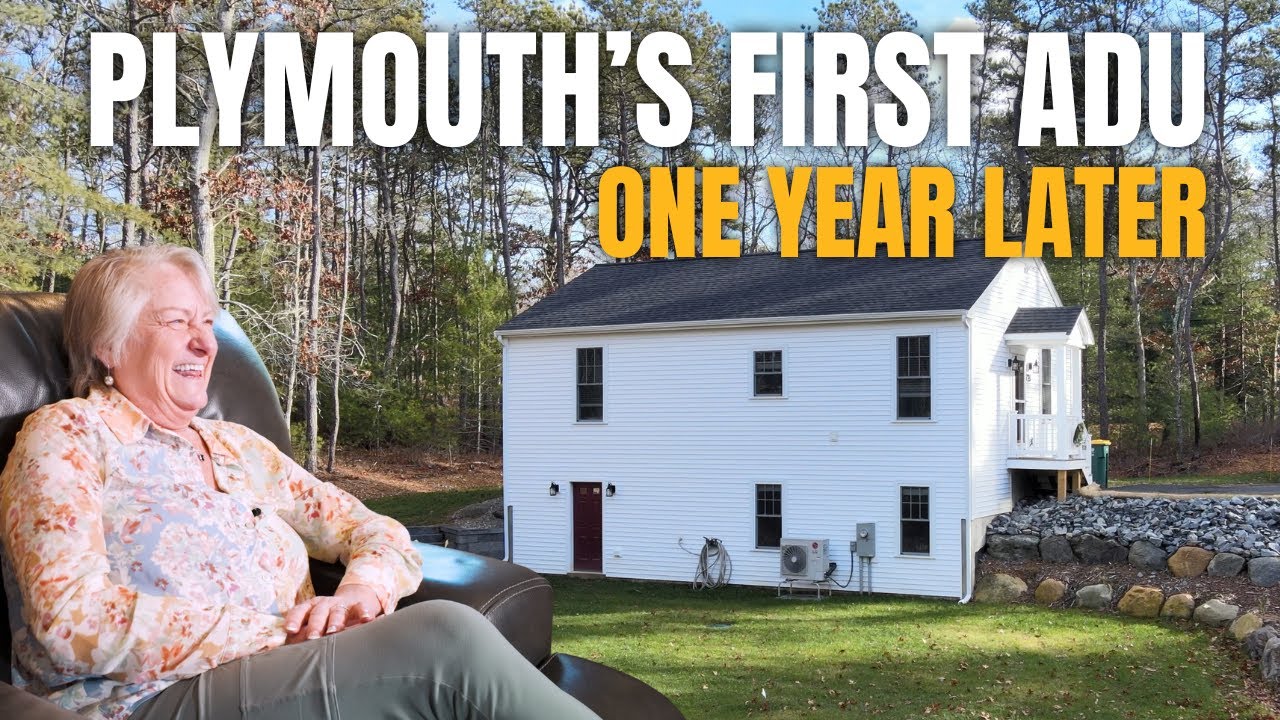
Watch: Why This Family Built an ADU for Their Autistic Son | Plymouth's 1st ADU
How Do Monthly Group Home Costs Compare to ADU Construction Costs?
Group home costs in Massachusetts are usually from $2,000 to $4,000 per month, depending on how much care is needed, how many staff members per residents, and where the group home is located. Those costs do not include extra expenses that many families pay themselves for specialized therapies, transportation, or personal items not covered by the home.
Over five years, group home costs in the middle of that range at $3,000 monthly will total $180,000. Over ten years it will be $360,000, and over fifteen years, $540,000. Those payments do not create any equity or any asset, and don't give your family any ownership of where your child lives.
A completed ADU in Massachusetts that meets code and has all the site work, permits and finishes will cost between $250,000 and $375,000. That is a one-time expense that will give you permanent housing that is an asset on your own property. The monthly cost to live in the completed ADU depends on whether it is all-electric, gas-heated, and how large it is. The Myettes run a fully all-electric, 900-square-foot ADU in Plymouth, and their monthly electric bill is between $212 to $300. Comparing the cost of the two options isn't perfect, because there will be caregiving costs in both cases. If your child needs a full-time or overnight caregiver in the ADU, you are still paying for that care. The difference is that you're paying for care in a home you own, on your property, rather than paying for care in a facility you don't control. And the ADU itself becomes a long-term asset that stays in the family.
What Happens to My Child's Government Benefits if They Live in an ADU?
That question will stop most families in their tracks, and rightly so. If your adult child gets SSI (Supplemental Security Income) or Medicaid (called MassHealth in Massachusetts), there are strict limits on their assets. With current SSI rules, someone who receives SSI can't have more than $2,000 in countable assets in their name.
For current SSI eligibility details, visit ssa.gov.
If your child inherits your home or the ADU directly, the results can be severe. Unless you do the proper planning, an inheritance of any size can put them over the $2,000 limit. It may possibly keep them from getting benefits and even cause the spend-down requirement to be put in place before they can qualify again.
The solution for that is a rule called a third-party supplemental needs trust. When parents create this trust while they are still alive, the disabled child will be the beneficiary but isn't the trustee. Another member of the family, or a professional trustee will handle the assets. The child can use and enjoy the ADU and other assets as long as they live without any of it counting against their SSI or Medicaid eligibility.
The Myettes had their ADU built with this long-term idea in mind. They built two bedrooms: one for William, and one for a caregiver who can live there or stay overnight. John said the family's succession plan was for their oldest son to someday move to the property and take over caregiving responsibilities for William. The ADU makes that possible without changing William's housing or his benefits.
There is an important difference in trust law between a third-party and first-party trusts. If there is a third-party supplemental needs trust, whatever is left in the trust when the beneficiary dies can go to other family members. With a first-party trust, the government has to be paid first. This is a planning meeting you need to have with an elder law attorney before you build, not later.
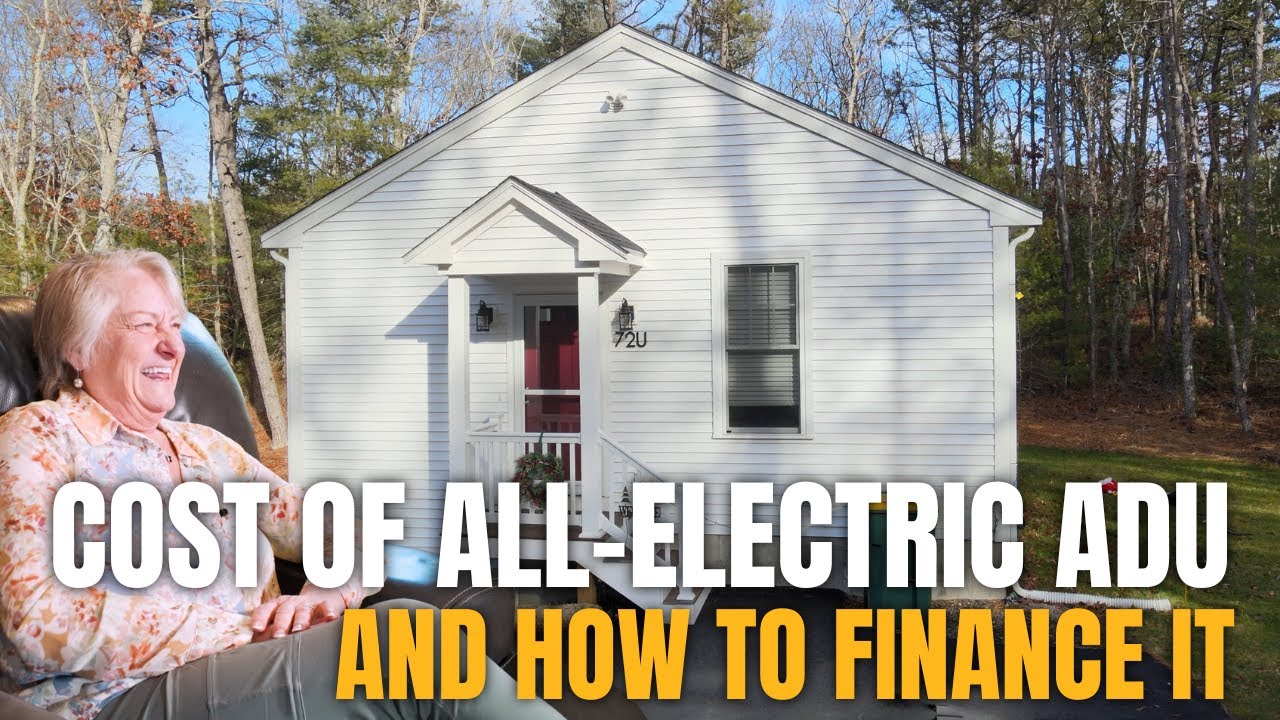
Watch: The Real Cost of an All-Electric ADU (One Year of Bills)
Can You Design an ADU Around a Specific Disability?
A group home is meant for a general population. The rooms are the same and there are shared common rooms. The surroundings, noise levels, and daily routines are decided by the staff and the other residents.
An ADU is designed for one person. This difference matters a lot for families dealing with autism, sensory processing issues, limits on mobility or any condition where the physical environment directly affects quality of life.
We design every ADU around the specific needs of the person who will be living in it. The Myettes wanted a 900-square-foot ADU with large windows for lots of light, nine-foot ceilings so the rooms would feel open, a large accessible bathroom and a full kitchen. We showed them many floor plan options within the 900-square-foot limit, and the family chose the one that worked best for William's daily life.
Pam described what this design meant from the family's point of view. She said it is a small house, but we put in big windows, tall ceilings, and details that make it feel like a much larger space. She also said something that stuck with us: she actually loves the ADU more than her own house.
That much customization is not available in any group home. It is only possible when you can pick the design, the layout, and the construction of the space that your child will live in for decades.
What Do Most Families Overlook When Comparing These Two Options?
When someone is comparing a group home and an ADU they almost always begin with cost. But in our experience when we build an ADU for special needs families, the one thing that will make it a success for many years isn't cost: it's transition planning. We ask every family the same question before we start planning the ADU. And that is: what will happen to the ADU and this person in ten years or twenty years, when you are gone? The families who use that answer to plan the design and the legal issues from the very first are the ones who have peace of mind. The families who build first and plan later are the ones who contact us with problems.
The Myettes did it the right way because they put in two bedrooms. William doesn't need two bedrooms right now, but he will need a live-in caregiver in the future. They put the ADU on the property so their oldest son can move into the main house when the time comes and have direct oversight. They talked to us about floor plans, but they also thought about twenty years in the future that most families don't want to think about.
John described the result: now that they have a place for Billy to live, they can start enjoying their retirement, knowing their oldest son will be right there on the property. That relief did not come from the construction. It came from the planning.
Is an ADU Always Better Than a Group Home?
No. We build ADUs because we believe in what they provide for families. But we also know they are not the right answer for everyone.
A group home might be the better choice if your child needs 24-hour medical care that is more than a family caregiver can provide. It also might be better if you can't put an ADU on your property because of septic limitations, lot size, or zoning rules. It may be the better choice if the family doesn't have any plan for a future caregiver and there isn't a sibling or family member who's willing or able to take over that role.
An ADU works best when the family has a plan for who will take over in the future, when the property will physically work for an ADU, and when the type of care needed can be managed with a combination of family help and hired support. The Myettes had all three but not every family will.
If you aren't sure which option will work best for your situation, we encourage you to talk to more than one provider: an elder law attorney, a disability services coordinator, and a builder who has experience with special needs housing. Get the full picture before you decide which direction to go.
What Does It Feel Like to Choose the ADU Path?
If you are reading this, you probably are going through some of the same worry the Myettes had for years. You wonder what will happen to your child when you are gone? That worry does not go away on its own and it just gets heavier as you get older.
Pam Myette called it a constant worry, something she lived with every single day. After the ADU was built, she said that worry was gone, and that was priceless.
Pam also said something that we hear from almost all the special needs families that we work with: we are forever parents. We need to care for this child his whole life. The ADU didn't change that reality but it did change the fear that went with it. Instead of worrying about what the future would bring, the Myettes were able to make their future. They put the plan in place while they still could.
Pam's advice to other parents in the same situation was simple: figure out a way to make it happen, because it will give you the peace of mind you didn't think you could have.
What Would a Backyard ADU Change for Your Family?
The families who build ADUs for special needs adults aren't picking between two equal options. They are making a choice between paying for care in someone else's facility and owning a home especially built for their purpose on their own land. One way builds equity, keeps independence, and helps the family stay together. The other way costs just as much over time and doesn't give any of those benefits.
The right time to talk about this is now, before the waiting list gets longer, before the costs go up, and while you still have the energy and the means to build something that will last.
We will evaluate your property, walk through the design options that fit your family member's specific needs, and help you understand the real costs before you commit to any direction.
Tour a completed ADU built for a special needs family or Request a Free Consultation
Call us: (781) 627-7000