
Can You Build an ADU in a Nitrogen-Sensitive Area in Massachusetts?
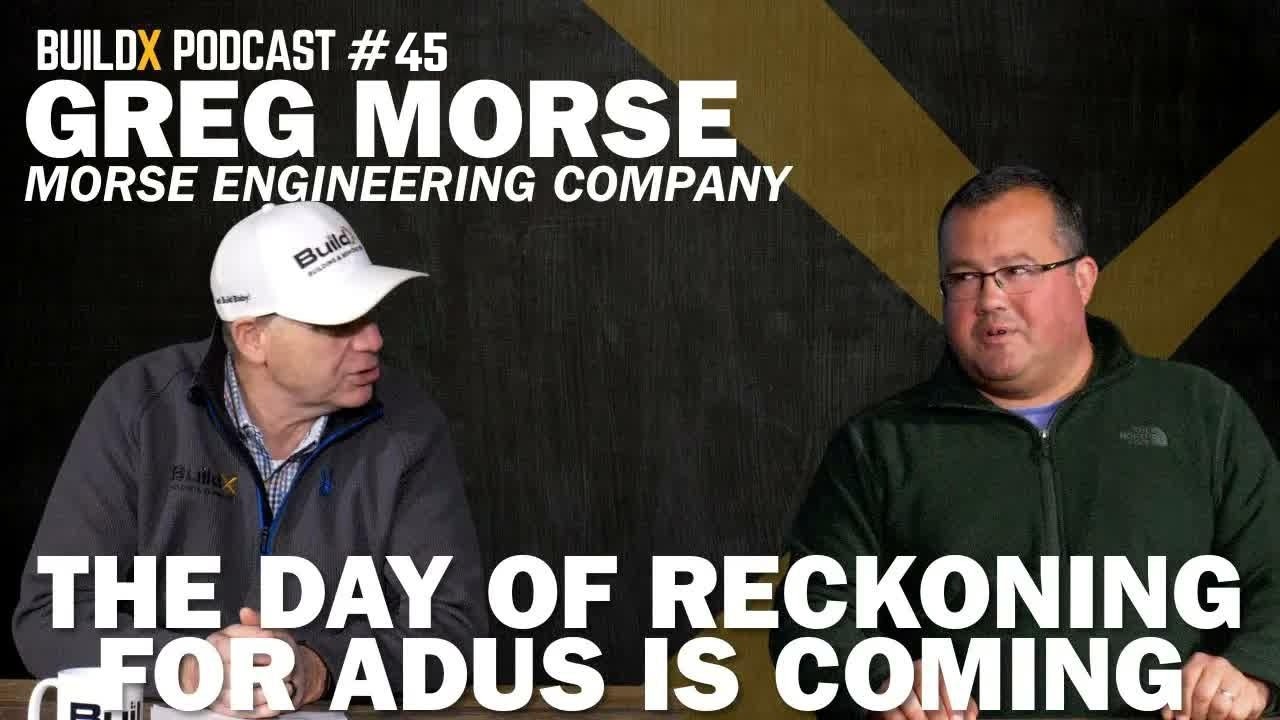
Watch: ADUs, Septics, and Setbacks: The Real Constraints Nobody Talks About
You found a great property, it's big enough and it's got the right zoning for an ADU, but then you start hearing the words nitrogen-sensitive zone and all of a sudden you feel like your project might be dead before it even starts. If your property is close to a town well, is in a Zone 2 wellhead protection area, or is in a town with nitrogen-loading restrictions, you have to figure out if the ground on your property can support an ADU before you start dreaming about it.
My name is Buz Artiano, and I am the founder of BuildX, a design-build firm that has completed dozens of ADU projects across Massachusetts, with concentrated experience on the South Shore and Cape Cod. We handle design, permitting, and construction under one roof, which means we deal with septic constraints, nitrogen-loading regulations, and your town's zoning laws before we start any construction. We're very familiar with properties that are in nitrogen-sensitive zones and we get questions about them a lot, especially from people in towns like Marshfield, Scituate, Duxbury, and other places in Plymouth County.
Living in a nitrogen-sensitive zone doesn't mean you can't build, it just means the route that we take depends on your lot size, how close you are to a wellhead protection zone, and what kind of septic your property can support. You should be familiar with the specific regulations and how the bedroom-count determines everything. You should also know about the split-lot detail that can also change things. It's best to understand these things before you spend any money on design.
Quick Answer: Yes, you can build an ADU in a nitrogen-sensitive area in Massachusetts, but your lot size determines how many bedrooms the septic system can support. In a Zone 2 wellhead protection area, the rule is one bedroom per 10,000 square feet of land. The same goes for properties on private wells. You might also need a nitrogen-removal system, such as the Nitro unit. If only part of your lot is in Zone 2, sometimes you can just put the septic system outside the zone boundary and then it's not in a nitrogen-sensitive area anymore and it's not a problem.
In This Article
- What Makes an Area Nitrogen-Sensitive for ADU Construction?
- How Does Zone 2 Affect Your ADU Bedroom Count?
- What If Only Part of My Lot Is in a Zone 2 Area?
- Do I Need a Nitrogen-Removal System for My ADU?
- How Do I Find Out If My Property Is in a Nitrogen-Sensitive Zone?
- Is Every Nitrogen-Sensitive Lot a Good Fit for an ADU?
- What Does Your Lot Actually Support?
What Makes an Area Nitrogen-Sensitive for ADU Construction?
A nitrogen-sensitive area is a place where the state or local Board of Health has determined that any extra wastewater could contaminate a drinking water source. In Massachusetts, there are two categories that most properties fall under. They're either within a Zone 2 wellhead protection area (the land surrounding a public water supply well) or they have a private well.
Towns on the South Shore, Cape Cod, and all over southeastern Massachusetts are all affected differently because a lot of them rely on groundwater-fed wells rather than the town's surface water systems. If your property is in one of these zones, the Department of Environmental Protection (DEP) and your local Board of Health will put more limits on how much wastewater you can produce. The wastewater limit controls how many bedrooms your septic system can handle, and the number of bedrooms is the biggest factor in determining whether your ADU is even possible or not.
The rules come from Title V, which is the state's code on all things septic. You can review the full ADU zoning requirements, including how they affect the septic regulations, at mass.gov.
How Does Zone 2 Affect Your ADU Bedroom Count?
The nitrogen-loading rule in a Zone 2 wellhead protection area is actually pretty simple. It says you can have one bedroom per 10,000 square feet of land. That's the absolute most that the septic system can be designed to handle.
The same thing goes for a property on a private well. The DEP treats properties with a private well the same as properties that are in Zone 2. So whether your water comes from a town well nearby or a well in your own backyard, the same rules apply.
Here's what that looks like in a real-life example. If you own a 30,000-square-foot lot in a Zone 2 area, your septic can only support three bedrooms. If your existing house already uses three bedrooms on the current septic, there's no room for an ADU bedroom without upgrading or redesigning the whole system. If your house only has two bedrooms, then your septic can take on a one-bedroom ADU.
This is why the very first step in any ADU project on a nitrogen-sensitive lot is pulling your Board of Health records. We need to know what the existing system was permitted for, how many bedrooms it supports, and whether there is any excess capacity. That record check takes a phone call and often determines whether the project moves forward, needs engineering, or stops.
What If Only Part of My Lot Is in a Zone 2 Area?
Surprisingly, this little detail changes things for a lot of properties. If only part of your lot is in a Zone 2 area, meaning part of it is also not in a nitrogen-sensitive zone, putting the septic system outside the Zone 2 area gets rid of the nitrogen-loading restrictions altogether. Even though part of your lot is in Zone 2, it only matters where the septic system itself sits, the boundaries of your property don't matter.
We always check into this issue on every project where a lot touches a Zone 2 boundary. The civil engineer surveys the property, lays the Zone 2 map over it so he can see whether there's enough room outside the protection zone to put the septic system. If there is, then just the normal Title V regulations apply instead of the nitrogen-loading rules. That usually means the lot can support more bedrooms than that Zone 2 formula allows.
It's not a loophole, it's just how the law is written. But most people don't even know about it and a lot of builders don't check for it. On a rectangular lot where half of it is in Zone 2 and half isn't, you usually have to put the septic on the side that isn't in Zone 2 in order for the whole project to even be possible.
Do I Need a Nitrogen-Removal System for My ADU?
If your entire lot is within a nitrogen-sensitive zone and you're at the maximum number of bedrooms that the septic can handle, the Board of Health may require a nitrogen-removal septic system. The most common one that people use around the South Shore and the Cape is the Nitro system. The Nitro system replaces the normal septic tank with a special tank that's basically an entire miniature wastewater treatment plant all by itself.
The Nitro unit is about the same size as a regular septic tank. It gets installed in the ground, plugged in, and it takes down the nitrogen levels in your wastewater to almost zero. It has to be inspected every year to make sure it's working correctly, but the actual maintenance is very little. Every couple of years, you might need to replace an aerator motor or a filter, but the system pretty much just runs on its own.
We look into nitrogen-removal requirements before we quote any project that's in Zone 2. The reason for that is because adding a Nitro unit, a pump chamber, and an engineered leaching field complicates what would otherwise be a very simple job of just tying in the existing septic system. On properties where the bedroom count is restricted by the nitrogen-sensitive area, we figure out the septic solutions first, and then design the ADU around it. Most builders design the ADU first and then find out the septic problem later. Our experience has taught us to do things in the opposite order because the septic determines how many bedrooms you can have, and the number of bedrooms determines the floor plan.
Your excavation contractor has to be trained by the Nitro manufacturer before installing one of their units. The company sends someone out to the site to supervise and train on the first installation. After that, your contractor is officially certified. The annual inspections are done by special service companies that basically only work with these types of systems.
How Do I Find Out If My Property Is in a Nitrogen-Sensitive Zone?
The quickest and easiest way is to just call your local Board of Health. They have all the records for your property and can tell you whether you're in a nitrogen-sensitive zone or not. You can also request a copy of your current septic design, which is a good thing to have because it shows you what the system was originally permitted for and how many bedrooms it supports.
A civil engineer that specializes in septic work can also look into it as part of a site evaluation. The engineer will pull your Board of Health records, do a property survey, check the Zone 2 boundaries, and tell you whether your lot has the capacity for more bedrooms. On the South Shore, companies like Morse Engineering do this type of evaluation all the time for ADU projects. That very first evaluation the engineer does will tell you whether the project is a definite yes, or a maybe with some engineering, or a no.
We always have a civil engineer look at everything before we quote for any ADU that's on a nitrogen-sensitive property. The cost of that upfront evaluation is so small compared to what it would cost to find out about the limitations after doing all the design work, architectural drawings, and paying for permits.
Is Every Nitrogen-Sensitive Lot a Good Fit for an ADU?
No, and that's the honest answer. Some lots in nitrogen-sensitive areas just don't have the square footage to support any more bedrooms under the Zone 2 regulations. Some properties have soil conditions that fail perc tests even with special engineering. Some properties also might have septic systems built before 1995 that the Board of Health won't allow you to tie into, requiring a completely new system that might not even fit on the lot.
We've walked families through the evaluation of their property and then had to tell them the ADU wasn't possible. Which is obviously not the answer that anyone wants to hear, but it's better to know before you spend money on design and permits. If you're working with a builder who hasn't asked about your septic, your Zone 2 status, or your Board of Health records within the first conversation, that's a serious red flag. The septic is the biggest wild card in all of ADU construction, and on nitrogen-sensitive lots, it's the first thing that needs to be figured out.
What Does Your Lot Actually Support?
Being in a nitrogen-sensitive area doesn't necessarily mean that your property can't support an ADU. It basically just means that the possibility of an ADU depends on your septic capacity, your lot size, and your Zone 2 boundaries. The way they do the bedroom count, the split-lot opportunity, and the fact that they make nitrogen-removal systems all create options that a lot of people didn't realize they had until someone walked them through it.
The only way to know what your property can support is to check the records, survey the lot, and run the numbers.
We will pull your Board of Health records, evaluate your Zone 2 status, and give you a clear picture of whether your nitrogen-sensitive lot can support an ADU.
Tour a Completed ADU or Request a Free Consultation
Call us: (781) 627-7000