
How Much Do Change Orders Really Cost During ADU Construction?
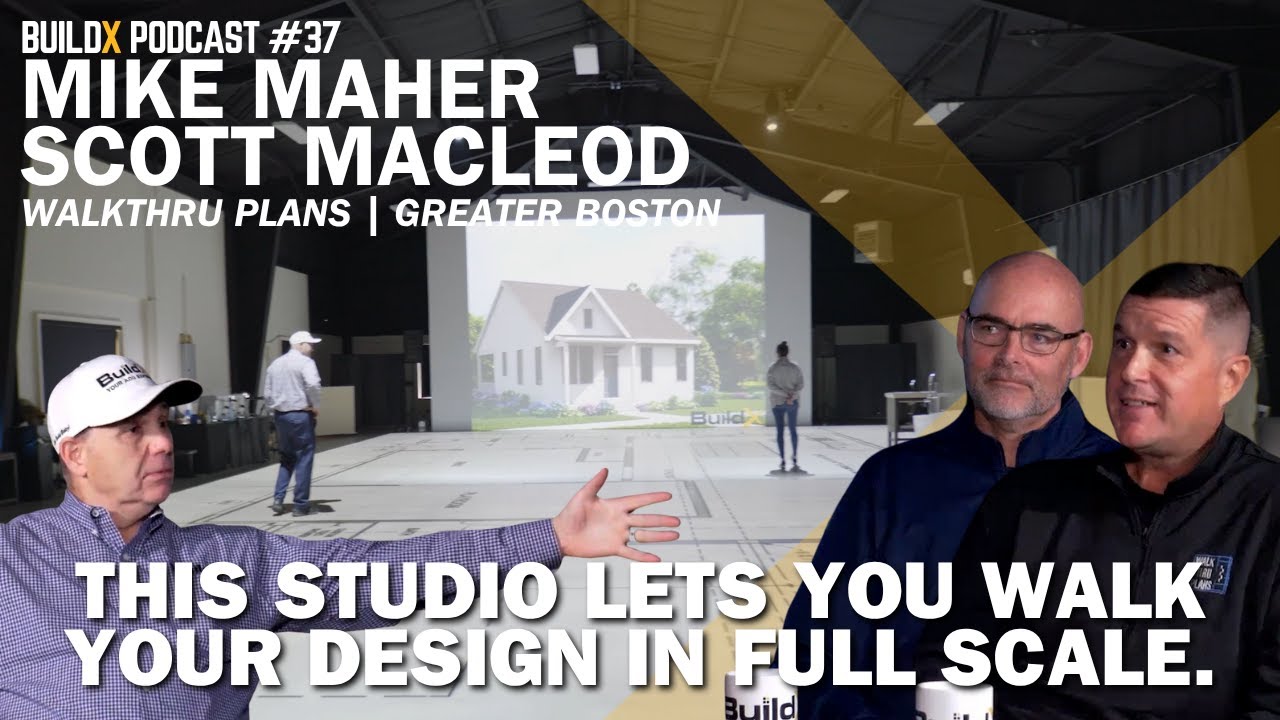
Watch: Your Floor Plan Projected In Full-Scale: Walkthru Floor Plans | BuildX Podcast #37
You've been looking at ADU costs, comparing builders, and trying to work out a budget you're comfortable with. Then someone starts talking about change orders, and all of a sudden your solid budget seems a bit shaky. You're right to be cautious though. You need to know what happens when something needs to change after construction has already started, and how much it will cost you.
My name is Buz Artiano, and I am the founder of BuildX. We've built dozens of ADU projects across Massachusetts, mostly around the South Shore and Plymouth County areas. We are the only team you need, we handle design, permitting, and construction. So we see every phase of a project from the first site visit up until you move in. That matters here because the main cause of change orders is an inefficient process where the designer, the permit team, and the builder don't talk to each other until after there's a problem.
Most people don't really understand what a change order is or what it means. They assume that means small tweaks, little changes here and there. In reality, when you change even something small in the middle of construction, it spreads and can affect everything after that including framing, electrical, plumbing, and finish schedules. In this article we're going to talk about where change orders come from, what they actually cost, and what you can do before construction starts to stay on budget.
Quick Answer: Change orders during ADU construction can add thousands to tens of thousands of dollars to your project, depending on when the change happens and what it affects. Moving a wall on paper costs a fraction of what it costs once the framing is done. At BuildX, we take our time and invest in the pre-construction planning so there are no surprises. The most expensive change order is the one nobody saw coming.
In This Article
- How Much Can a Single Change Order Add to Your ADU Budget?
- What Types of Change Orders Drive the Biggest Cost Increases?
- Why Does the Timing of a Change Order Matter So Much?
- What Can You Do Before Construction Starts to Prevent Change Orders?
- What Questions Should You Ask Your Builder About Change Orders Before Signing a Contract?
- Is Every Change Order the Builder's Fault?
- Your Budget Is Only as Solid as Your Pre-Construction Process
How Much Can a Single Change Order Add to Your ADU Budget?
There's no set cost for a change order because it depends what the change is, when it happens, and what systems it affects. A layout adjustment that's made during the design phase might cost nothing but a couple hours of drafting time. That same change made after the framing is done can require demolition, re-engineering, new materials, and it can throw the whole schedule off if there are already trades scheduled to come do work.
Moving a wall on paper costs nothing compared to what it costs once that wall is standing with electrical and plumbing already roughed in. Moving a bathroom after the foundation is poured means we have to cut concrete, move drain lines around, then patch anywhere that had to be cut, and schedule extra inspections. Even just moving a closet can affect adjacent rooms, door swings, and HVAC duct runs. Decisions to go back and change things all come with their own labor and material cost.
On a recent project we did building an in-law suite, a homeowner walked her floor plan at full scale before construction started and realized that the closet location, bathroom layout, and living room size all needed to be changed. Since she caught all of those changes before we started any construction, all it cost her was a design session fee. If she had realized the issues and had to change them in the middle of the build, the cost of demolition, rework, materials, and schedule delays would have been several times the original design session investment.
What Types of Change Orders Drive the Biggest Cost Increases?
Not all change orders are going to cost the same. The cost depends on exactly what you're changing and how far along the construction currently is.
Structural changes are the most expensive. Moving a load-bearing wall, changing a roofline, or changing the size after the foundation is poured requires an engineer to go back and look at it, and it can require changes to your permits, and re-doing work that was already done and inspected. Changes like that can add weeks or even months to the schedule on top of the extra costs.
Mechanical system changes are in the middle. Relocating plumbing fixtures, changing HVAC duct routing, or adding electrical circuits after rough-in means you'll have to re-apply for permits, rework connections, and schedule inspections a second time. The labor hours climb quickly because they have to undo or demo work they've already done before they can redo it, which adds a lot of time.
Finish and fixture changes are the least expensive when you catch them early, but they can be somewhat deceiving. Changing the style of your cabinets after they've been ordered means paying restocking fees and extra wait time while your installer is waiting on you. Changing flooring choices after the subfloor is done might require going back and using different types of underlayment or adhesive. So even if it seems like a simple or minor change, it can have an expensive ripple effect.
Why Does the Timing of a Change Order Matter So Much?
The single biggest factor in change order cost isn't the what, it's the when. Construction goes in a very specific order for a reason, and every phase builds on the one before it. A change that's made after the previous phase is complete makes it so the crew has to work backward before they can move forward.
During the design and permitting phase, changes cost next to nothing. Moving a door, resizing a room, or moving around the kitchen layout takes hours, not days. Once permits are issued, changes could mean you have to go back and apply again, which adds a little bit of time and fees, but it's manageable.
Once framing starts, it gets much more expensive. After rough-in (electrical, plumbing, HVAC), it gets even worse. After drywall, insulation, and inspections, the cost of going backward is just ridiculous. If you made the change in January, it would have been nothing more than a conversation, but making the same change in March will cost you thousands.
That's why we tell everybody that the time to make any changes is before any construction starts. You can save yourself thousands by spending a couple hours in design review.
What Can You Do Before Construction Starts to Prevent Change Orders?
The best way to prevent change orders is by starting with a design process that forces you to make decisions in 3D, not using a two-dimensional floor plan on a screen.
We've been in this business long enough that we've tried every visualization method out there. We've done the blue tape on the floors, the spray paint outlines, and the sawhorses with cardboard to pose as kitchen islands. Those things work ok, but they don't give you the full picture. We've also worked with a full-scale floor plan projection system where your whole house plan is projected to scale on a warehouse floor and you physically walk through every room, hallway, and doorway before a single permit is pulled.
The reason we put this kind of time into pre-construction isn't because we think planning meetings are fun, it's because we've seen what happens when people skip this step. On one of our projects, a homeowner did the full-scale walkthrough and right away realized that her closet needed to be moved, her bathroom layout was wrong, and her in-law suite living room was not big enough. She was able to change all of this on paper for the cost of one design session. We've done this enough to know what those same three changes cost once framing is up. The demolition alone on a bathroom relocation after rough-in can cost more than the original install. When you factor in rework on adjacent walls, re-routing plumbing, patching subfloor, and calling for another inspection, moving a bathroom in the middle of a build on an ADU can be more than the cost of the entire pre-construction planning phase.
Beyond visualization, the other thing you can do to prevent expensive change orders is to have a team that's well connected throughout the whole process. When the person designing your ADU is part of the same team that's building it, the design decisions are known by everyone involved from day one. You don't end up with a gorgeous design that can't be built without expensive modifications. The architect knows what the builder needs, the builder knows what the inspector requires, and the family knows what the final product will look like before any construction is started.
What Questions Should You Ask Your Builder About Change Orders Before Signing a Contract?
Before you commit to any builder, you need to understand their change order policy. The answers to all these questions should tell you whether the builder has an efficient process to help keep change orders at a minimum, or if they have things structured in a way that they profit from such expensive changes.
Ask how the builder does their design finalization. Ask them to give you details on exactly what steps come between approving a plan and when construction starts. A builder who goes from signed plans straight to construction with no review period in between will end up with a lot of change orders. A builder who includes design walkthroughs, material selection lock-ins, and a final review before applying for permits is one who has done this enough times to know where the unfortunate surprises usually come from.
Ask them what their change order markup is as well. Some builders charge a flat admin fee per change order. But some will mark up the materials and labor for the change at a higher rate than the original contract. Some builders will actually do both. You want to have all the information on their policies before you sign anything.
Ask how many of their last ten projects had change orders, and what caused them. A builder who says none is lying to you. But if they can describe the two or three most common causes of change orders and also what they've done to help prevent them, they're telling you the truth.
Is Every Change Order the Builder's Fault?
No. And the truth is important here. Some change orders are the direct result of a homeowner making decisions after construction starts. Someone walks through their framed ADU and decides at that point that they want a bigger bedroom window, or they want to upgrade the flooring after the subfloor is prepped for the original flooring choice. Those are legitimate changes, and they cost real money.
There are change orders that can't be predicted or prevented no matter how much planning you do. Soil conditions way under the surface that are different than what the test holes showed, utility conflicts you don't find until you start digging, or materials not being available that force you to substitute. That sort of thing happens, it's not a planning failure, it's just the reality of construction.
A good builder tries to prevent as many change orders as possible through careful pre-construction planning and communicates with the homeowner about the ones that can't be controlled. If you're comparing builders and one promises zero change orders, that's a major red flag because it can't possibly be true. The honest answer is that a well-honed process reduces change orders dramatically, but construction is a physical activity on a real piece of land, and variables still exist.
Your Budget Is Only as Solid as Your Pre-Construction Process
Change orders aren't some sort of construction mystery, they happen when decisions aren't made, details aren't finalized, and floor plans aren't tested before construction starts. The families who stay on budget are the ones who invest the time to get it right on paper first. If you're planning an ADU and want to understand what your project will actually cost before you commit to anything, the next step is to check out our streamlined design process and see for yourself.
We will walk through your property, your goals, and your budget constraints to give you a realistic scope before construction starts.
Tour a Completed BuildX ADU or Request a Free Consultation
Call us: (781) 627-7000