
How Does Your Credit Score Affect ADU Financing?
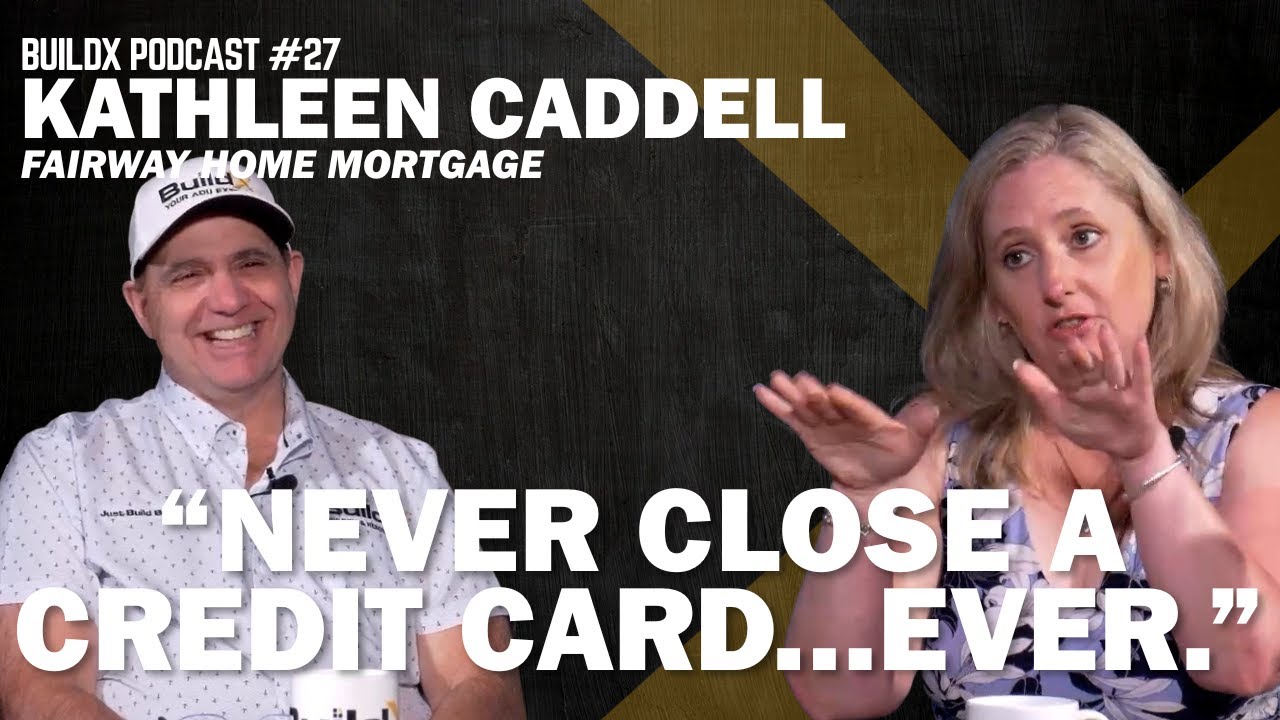
Watch: How to Fix Your Credit Without Wrecking Your Mortgage Approval | Kathleen Caddell
You have been thinking about building an ADU for someone in your family. Maybe it is for an aging parent, an older child who is returning home, or just rental income to help with your mortgage payment. But then the question is, is my credit good enough to get financing? For many homeowners, this one question will keep the conversation from happening. Because they think their credit is too low, too difficult to figure out, or too far gone to be able to get the kind of loan an ADU project requires. That fear keeps families stuck, sometimes for years, when the truth is that it is easier to fix than they expect.
My name is Buz Artiano, and I am the founder of BuildX. We've built dozens of ADU projects across Massachusetts, mostly around the South Shore and Plymouth County areas. We are the only team you need, we handle design, permitting, and construction. So we see every phase of a project from the first site visit up until you move in. We deal with septic constraints, zoning issues, and the state's new ADU laws. We know personally how credit preparation can make or break the timeline of each project.
When a family tells us that they are worried about their credit score this is what we tell them. They can understand how the scoring system works. There are specific ways to improve their credit score and the time it takes to do that is shorter than they probably think. In this article, we will tell you exactly what effect your credit score will have on the ADU loan you choose and the rates. Also we will detail what the three-bureau scoring system will actually measure, and the specific steps you can take, in as little time as 10 to 30 days, that will put you in a better position before you ever talk about getting a loan.
Quick Answer: Yes, your credit score will have a direct effect on your ADU financing. Lenders use the middle score from three different credit bureaus, and for those who are co-borrowers, they just look at the lower of those two middle scores. If you increase your score by just 20 points you will move up to a better interest rate tier and if your score goes up to 760 or above you will get the best rates that are available. The change that will have the biggest impact is to keep your credit card balance under 30 percent of your limit. You should not close old cards, and do not open new credit. Start working with a mortgage professional 30 to 60 days before you are going to apply.
In This Article
- How Does Your Credit Score Determine Your ADU Loan Rate?
- How Do Lenders Actually Calculate Your Credit Score?
- What Is the Fastest Way to Improve Your Credit Before Applying?
- What Credit Mistakes Will Wreck Your ADU Loan Application?
- What Does Debt-to-Income Ratio Have to Do with Your ADU Loan?
- Is Credit Repair Enough, or Do You Need a Mortgage Professional?
- Your Credit Score Is Fixable. Your ADU Timeline Starts Now.
How Does Your Credit Score Determine Your ADU Loan Rate?
Your credit score is the single biggest factor in determining what interest rate you qualify for on an ADU loan. The score system works on 20 point increments. A score between 680 and 699 gives you a certain rate range. If your score is 700 to 719 you get an even better rate. If you're at 720 your interest rate drops again. At 760 and above, you're in what banks call the top tier, that's when you get the lowest rate they have to offer.
That means if your credit score is 695, you could be paying thousands more in interest on a 30-year loan compared to someone who has a 705. The difference is usually just a few simple moves to bring your score up before you submit the application, you don't need years of credit rebuilding.
The point we are trying to make is that if you are within 20 points of a better interest rate tier, fixing that small gap before you apply is one of the best things you can do in the entire ADU financing process. Just raising your credit score a small amount will save you more money than trying to lower costs on construction materials or appliances.
How Do Lenders Actually Calculate Your Credit Score?
There are three credit bureaus: Equifax, TransUnion, and Experian. Each one creates its own score. They don't always match up because not every creditor reports to all three. The bank looks at all three scores and uses whichever one is in the middle.
For a single borrower, that middle score is your qualifying number. For co-borrowers, such as a married couple, the lender looks at the middle score for each person and then uses the lower of the two. That means if one spouse has a middle score of 720 and the other has a 700, you get the interest rate for the 700.
People don't realize how much this matters. You might check your score on a free app and it shows that you have a 780, but it's probably only showing you a score from one of the three bureaus. The score the bank uses could be 50 to 100 points different. The only way to know what kind of position you're in is to look at all three of your scores, which a bank can do in just a few minutes.
You can check your own scores for free at annualcreditreport.com, that's the only genuinely free source with no gimmicks or scams. It's a good idea to pull one bureau every four months, Experian once, then Equifax, and then TransUnion, so you catch any mistakes throughout the year.
What Is the Fastest Way to Improve Your Credit Before Applying?
The quickest way you can improve your credit is to lower the percentage of it you are using. Thirty percent of your credit score comes from how much of your available credit you are using right now. If you have a credit card with a $10,000 limit, you want to keep the balance at $3,000 or less. As soon as your balance is more than 30 percent of your limit, your credit score drops. When the balance drops below 30 percent of your limit, your score goes up.
The trick here is to remember that your credit card company reports your balance at a specific time every month. Even if you pay off the card every month, if the credit card company happens to report while the card has a 60 percent balance on it, that's what the bureaus see, even if you pay the card off 2 days later.
Sometimes the fix is as easy as transferring balances between cards to kind of spread out the debt over multiple cards. If one card is at 80 percent and another is at 10 percent, spreading it out between them so they are both 40 percent or below can raise your score in just a few days sometimes.
After making changes, it takes approximately 10 days for the bureaus to update, at which point your lender can do something called a credit refresh. That means if you start the loan process today, you could take these steps and then be in a better rate tier within two to three weeks.
What Credit Mistakes Will Wreck Your ADU Loan Application?
There are three mistakes that cause the most damage, and all of them are avoidable if you know about them before you apply.
Do not close old credit cards. This is the most common thing people do and it only hurts them. Homeowners pay off a card and close it, thinking they are just keeping things neat and tidy with their finances. But it causes big problems. Thirty-five percent of your credit score comes from your credit history, which just means how long the accounts have been open. When you close out the card it gets rid of all that credit history. On top of that, closing a card makes it so you have less available credit, which hurts the percentage you carry on your other cards. So closing out a card hurts you in two different ways.
Do not open new credit. Every time you apply for a new credit card, auto loan, or other financing, your score drops approximately 15 points with every credit check they do, and it takes about six months to get that back. If you're applying for a mortgage and a car loan and a new credit card, the bureaus see that as someone just trying to get money wherever they can, which looks bad, and your score goes way down.
Do not assume you are clean. Collections you don't know about are more common than you think. A dental bill that was sent to the wrong address that you never received or a medical copay you didn't realize you owed. Little things like this that you don't even know are there can hit your report and drag your score down. Pull your reports and look for surprises before the bank does.
We see this happen on our ADU projects all the time. A family comes to us ready to build. They've got their designs all drawn, the site is evaluated, and then everything stalls at the financing step because someone opened a new credit card two months earlier or closed an old account they thought they didn't need anymore. We now tell everybody when we first meet with them to talk to a mortgage professional before you do anything else. The construction timeline starts with your credit position, not when we start digging a foundation. Over our last several dozen projects, the families who talked to the bank 30 to 60 days before starting the financing applications ended up with better interest rates and avoided last-minute delays.
What Does Debt-to-Income Ratio Have to Do with Your ADU Loan?
Beyond your credit score, lenders evaluate your debt-to-income ratio, which is usually called DTI. To figure out DTI, you take the gross amount of money you make every month and divide that by your monthly bills such as mortgage payments, car loans, credit cards, and student loans.
Your credit score determines your interest rate, but your DTI decides how much you can borrow. A homeowner with a 760 credit score but a DTI above the bank's requirements can still be limited on how much they can borrow.
In order to deal with that, focus on reducing your monthly payment amounts, not necessarily the total balance. If you're carrying a credit card with a $5,000 balance and a $200 monthly minimum, paying that card down or off before applying will help you qualify for a bigger loan. A good mortgage professional can help you do this. Instead of paying off all debt equally, focus on the ones that have the highest minimum payments.
Is Credit Repair Enough, or Do You Need a Mortgage Professional?
We build ADUs, we're not loan officers. We're honest about the fact that what we know about credit prep comes from seeing what works and what stalls projects on the construction side, we are not licensed mortgage professionals, we have just made observations.
Credit repair advice is everywhere online, and sometimes it's accurate. The difference with a mortgage professional is they will get very specific with you. A credit repair website will tell you to keep your balances below 30 percent. But when you go see a mortgage professional, they will pull all three of your credit reports and show you exactly which accounts are dragging your score down. Then they calculate how many points you need for a better interest rate, and tell you the exact dollar amounts to pay or transfer and then tell you when to apply again.
For people who have great credit and low DTI, they may not need a lot of credit repair or prep. But if you're not sure or you haven't had all three bureaus pulled in the last 90 days, talking to a mortgage professional before you start shopping for builders or properties is the most efficient thing you can do.
Your Credit Score Is Fixable. Your ADU Timeline Starts Now.
The families who are able to get the best terms for a loan are those who deal with credit early, not the ones who begin with a perfect credit score. No matter if you need to balance how much you use each of your credit cards, keep an old card open, or just check your credit with all three credit bureaus to know where you are, these are steps that only take days or weeks, not years. Discussing your finances doesn't need to be something that stops your ADU project. It can actually be the thing that gets it moving.
We will walk you through the construction realities, connect you with lenders who understand ADU financing in Massachusetts, and help you understand the full project cost before you commit.
Tour a completed ADU in person or Request a Free Consultation
Call us: (781) 627-7000