
How Does a Design-Build ADU Company Keep You Informed During Your Build?
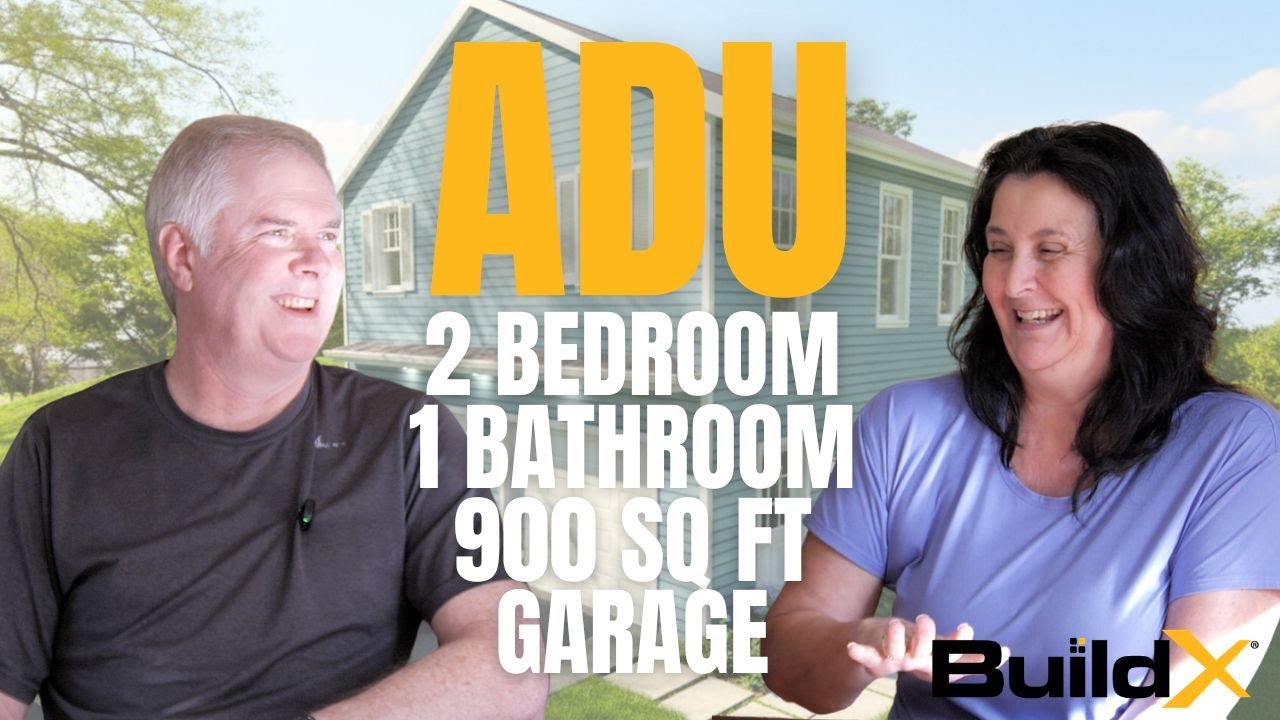
Watch: Why Renting Wasn't an Option Anymore
The worst part of a bad build isn't the delay or the extra cost. It's the silence. You give them a large check, the builders come and go on your own property but you have no idea if the project is moving ahead, stuck, or in trouble. Kevin and Terry Creighton of Plymouth went through that same nightmare once before. Their first builder in 1994 went bankrupt and only had a foundation in the ground. Nobody told them. Terry found out when she called over and over and someone finally admitted the company was filing for bankruptcy. If you're about to hire a builder for your ADU, worrying about being left in the dark is probably what's keeping you up at night.
My name is Buz Artiano, and I am the founder of BuildX. We've built dozens of ADU projects across Massachusetts, mostly around the South Shore and Plymouth County areas. We are the only team you need: we do the design, permitting, and construction. So we see every phase of a project from the first site visit up until you move in. We evaluate septic constraints, zoning issues, utility connections and the requirement to get a permit from the city. After enough of these projects, we've found out that communication isn't just a courtesy, it's part of the work.
Kevin and Terry Creighton are BuildX clients and we're building their ADU in Plymouth. Because they had a bad experience before, they paid close attention to how we kept them in the loop. Their project manager, Michael, contacts them at least once a week and sometimes more. The Matterport 3D walkthrough lets the whole family tour the design before the construction starts, and there are live construction cameras that let them watch the property wherever they are. We're talking about their experience so you can see what you require from any builder you are considering, not just from us.
You should expect a builder to share stories from families who've had a good experience. We're talking about the Creightons' story for a certain reason. They'd already gone through a bad experience with a builder who disappeared in the middle of the project, so they knew exactly what bad is like and what to look out for. Their thoughts on whether a builder actually keeps you informed is worth more than anything we could say about ourselves.
Quick Answer: A design-build ADU company keeps you informed by giving you one person to contact and allowing you to see both the paperwork and the physical work. For the Creightons' ADU in Plymouth, their project manager, Michael, contacts them at least weekly, and sometimes several times a week, checking every permit when it's applied for, approved and scheduled for inspection. BuildX handles all the permits so the Creightons didn't pull anything themselves. A Matterport 3D walkthrough let them tour the design before construction started and with the live cameras they can check the site remotely. The standard to watch for is simple: you should have a named contact, a set schedule and a way to see progress with your own eyes.
In This Article
- What Does Keeping You Informed Actually Look Like on an ADU Build?
- Why Does Builder Communication Matter More Than Almost Anything Else?
- How Often Should Your Builder Actually Reach Out?
- Can You See Your ADU Before It Is Built and While It Is Going Up?
- Who Handles the Permits, You or the Builder?
- What Does the Way a Builder Treats Subcontractors Tell You?
- Is Constant Contact Right for Every Homeowner?
What Does Keeping You Informed Actually Look Like on an ADU Build?
On a well-run ADU project, there are three things about being informed you can actually keep track of: one person who you communicate with, a predictable schedule of updates that deal with real steps, and a way to see the work with your own eyes. It's not just a vague promise to stay in touch, it's a system.
For the Creightons, the one person is their project manager, Michael. Terry said that he tells her when they've applied for a permit, whether it is the zoning permit, the building permit, or the electrical permit, then he lets her know when each one is approved. He also tells her when an inspector is scheduled to come out. Kevin says that Michael contacted them every single week, and sometimes multiple times. Terry's expectation now is that she will hear from him as things happen, at least once a week.
Each of these things matter for a different reason, and each one is something you can check in a builder you have not hired yet.
Why Does Builder Communication Matter More Than Almost Anything Else?
Most homeowners think that the biggest risk when you build an ADU is cost or quality. The bigger risk is losing track of what's going on. When you can't see what's happening, a small delay can seem like a real disaster.
The Creightons know the difference because they've been through both. When they built their main house in 1994, their first builder left them hanging with only a foundation poured, then filed for bankruptcy without saying a word. Terry lived an hour away at the time and only found out what was going on after repeated calls. Her reaction was: that would have been nice to know, and that shows the whole problem. The money was gone, but the builder's silence made it so much worse.
Notice the difference in how their ADU project is going now. Terry describes BuildX as the complete opposite. They keep them informed every step of the way. That's the reason why communication should be at the top of your builder-vetting checklist. A builder who tells you the difficult things early is protecting you. A builder who doesn't is protecting themselves.
How Often Should Your Builder Actually Reach Out?
There isn't just one number but there is a bottom. On the Creightons' project, the standard is to contact at least once a week, with extra updates if something actually happens and those two things matter. A weekly check-in keeps things moving even during quiet times, and updates when an event happens mean you aren't surprised by a truck in your driveway or an inspector at your door.
We link our updates to the permit timing on purpose. An ADU goes through predictable approvals: zoning first, then building, then electrical and the other trades, and each one has to be approved before the next phase of the construction can legally start. That process is exactly where a project can become stuck, because a permit that's being reviewed seems the same from the outside as a permit that has a problem. So when Michael tells a homeowner a permit has been applied for, then it is approved, then the inspector is coming Thursday, he's not just being friendly, he's sharing the one part of the construction where hidden delays can happen, so you always know the true state of your project instead of guessing.
When you interview a builder, you ask a direct question: who will contact me, how often, and what causes an update? If the answer isn't clear, then that's your red flag. If the answer names a person and a schedule, you've found a builder who has thought about this before you asked.
Can You See Your ADU Before It Is Built and While It Is Going Up?
The clearest form of transparency isn't a phone call, it's being able to see the project with your own eyes, both before it's built and while it's actually being built.
Before construction, the Creightons toured their ADU in three dimensions. Terry loved what she called the Matterport, a shared 3D walkthrough where the screen splits three ways so she, Kevin, and their daughter and husband could go through the design all at the same time. That kind of visual walkthrough gives you a space you can understand and sign off on, before the first wall is framed.
Once the construction started, the visibility continued. Kevin showed us the live camera feeds on site. If the family isn't around, they can still see the crews working and check how progress is going wherever they are. We have those cameras for one reason above all. An off-site owner shouldn't have to wonder whether anyone showed up today, and the camera answers that question before it creates anxiety.
When you are looking for a builder, ask whether you will be able to see the design in three dimensions and whether you can watch the site remotely. These things aren't used by every builder, and one who has them is showing you they have nothing to hide.
Who Handles the Permits, You or the Builder?
One of the best signals of how a build will be run will be clear before construction even starts: who's responsible for the permits.
On the Creightons' project, the answer is BuildX, completely. Kevin was clear about that. They weren't involved and didn't have to pull any permits themselves. That's a very big convenience. If you pull permits it means you have to learn about each town's process, turn in the right paperwork to the right department and follow up until you get the approval. When the builder does this, two things happen. You don't have to do a job that most homeowners aren't equipped to do, and the same people that file the permits are the people that report on them, so nothing gets lost between you and the town.
This is where design-build earns its name. Because we handle design, permitting, and construction all together, the updates on the permit process to the Creightons aren't secondhand. The people applying for the zoning, building, and electrical permits are the same people building the ADU. Make sure you ask any builder you are thinking about hiring if they handle all the permits for you, and whether the person who pulls the permits is the same person who will let you know what's going on. The answer tells you how efficient their process really is.
What Does the Way a Builder Treats Subcontractors Tell You?
Here is something most homeowners don't think to check: how a builder works with the crews who actually show up on your lot.
The Creightons watched how it worked from the first day. Kevin described Nick, the subcontractor who was running the excavator and bobcat, getting a remarkable amount of site work done within two days. What was impressive wasn't just the speed, Nick talked with them directly, showing them which trees needed to come down, processing the ones they removed, stacking the wood where the family wanted it, and handling the stumps Terry asked about. He said: 'whatever you guys want, I will take care of you.' Terry saw that as an indication of the good working relationship BuildX has with its subcontractors.
That matters more than you might think. On a job site, the homeowner interacts with subcontractors all the time, not just the builder. When a builder has real, long-standing relationships with them, those crews treat your project with the same care the builder would. When a builder just finds the cheapest crew he can find, you'll see the difference in every interaction. When you visit a builder's completed projects, be sure to ask who will be doing the site work and if they use the same trades all the time. Consistent, respected subcontractors are a sign of a builder that's worth hiring.
Is Constant Contact Right for Every Homeowner?
Since our projects use frequent, proactive contact, you might think that every homeowner wants a message several times a week. Some don't. Plenty of people just want to hear from the builder when they need a decision or an important milestone is reached. Being contacted multiple times a week would feel like too much.
That's a fair choice and it indicates a real lesson. The specific timing isn't as important as two things: that your builder has a specific system for keeping you informed, and that they will match that system to just how often you want to hear from them. What made the Creightons comfortable wasn't a certain number of updates. It was knowing a person they knew was keeping an eye on their project and would tell them the truth, good or bad, as something happened. When you talk to builders, the goal isn't to find the one who contacts you the most, but to find the one you can trust with their communication and adjust it to your needs.
How to Judge a Builder's Communication Before You Ever Sign
You don't have to guess whether a builder will keep you informed. The Creightons showed you what to look for: one point of contact, updates at least weekly and whenever something happens, a builder who handles all ADU permits, and a way to see your project with your own eyes both during the design and the construction. If you take that checklist to every meeting you have with a builder, the ones who can't answer will stand out immediately.
We will walk you through our project-manager updates, permit tracking, and live-camera setup, and show you exactly what staying informed should be like on your property.
Walk through a completed ADU in person or Request a Free Consultation
Call us: (781) 627-7000