
What Happens If I Use a HELOC for My ADU and My Contractor Takes the Money and Runs?
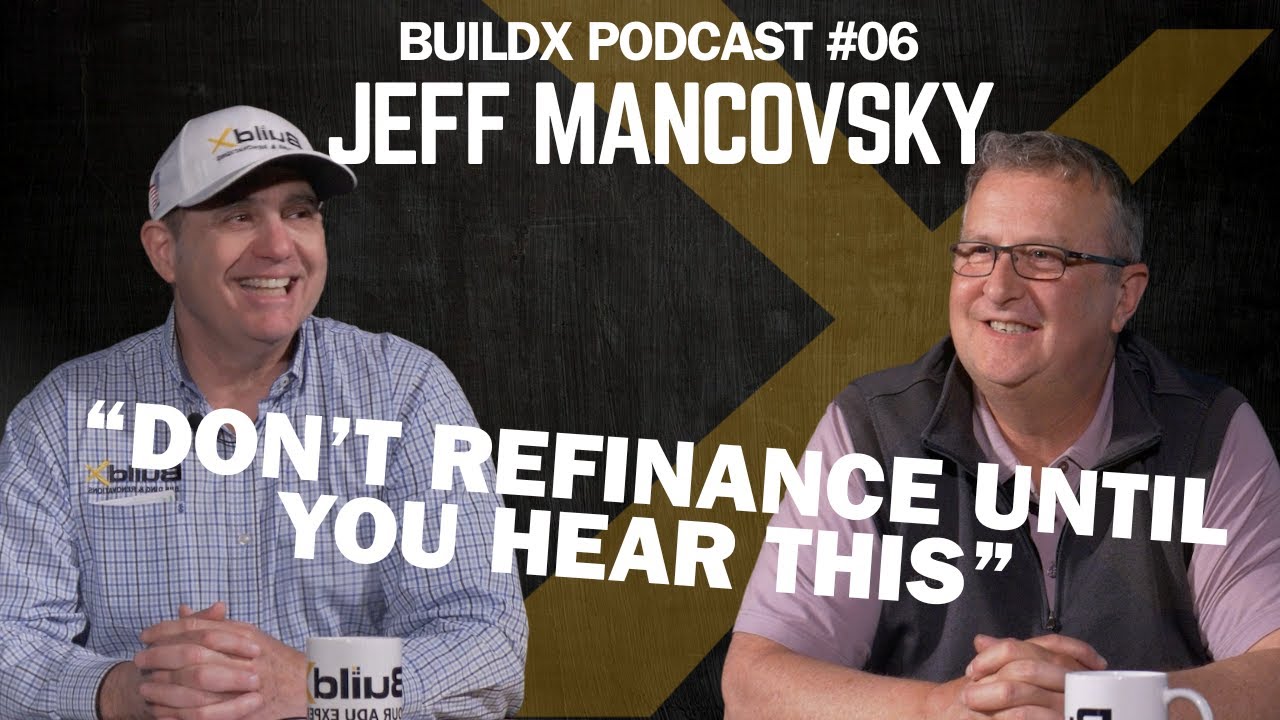
Watch: ADU Loans, HELOC Myths & Financing the Family Home Right w/ Jeff Mancovsky | BuildX Podcast #06
You found the perfect lot and you've got the equity. You opened a home equity line of credit, and now you're writing checks directly to your contractor for work being done on the ADU. Everything is going great and then the work and the calls stop, and the contractor disappears while you still owe the bank for the loan you took out to pay for the construction. It's not uncommon, it happens all the time, and it keeps happening because of one specific flaw in the HELOC structure.
My name is Buz Artiano, and I am the founder of BuildX. We've built dozens of ADU projects across Massachusetts, mostly around the South Shore and Plymouth County areas. We are the only team you need, we handle design, permitting, and construction. So we see every phase of a project from the first site visit up until you move in. We deal with septic constraints, zoning issues, and the state's new ADU laws. We've also gone in and cleaned up projects that other contractors had just walked away from. That's the whole reason we're writing this article.
What you choose for your financing determines your interest rate and how much protection you have if something goes wrong. Most people don't know that a HELOC doesn't give them any kind of oversight or management during construction. That's a pretty big risk and nobody really talks about it. But they should because it can be the thing that costs you the most in the end. We're going to talk about exactly why it's a risk and how a construction loan is different. We'll also tell you how to protect yourself no matter which financing option you go with.
Quick Answer: If you use a HELOC to pay your ADU contractor and they take the money and disappear, there's nothing you can really do about it. The bank doesn't verify insurance, inspections, or draws. You borrowed the money and you have to pay it back regardless of what your contractor does. A construction loan is different because the bank verifies contractor insurance, keeps an eye on the building progress, and they only release a payment to your contractor once the work has been finished and inspected. A construction loan just requires a lot more paperwork, but you have much better protections in place.
In This Article
- What Actually Happens When a HELOC-Funded Contractor Disappears?
- Why Does a HELOC Offer Zero Lender Oversight?
- How Does a Construction Loan Protect You Differently?
- What Are the Red Flags That a Contractor Might Take Your Money?
- How Do I Protect Myself If I Choose the HELOC Path?
- Is a Construction Loan Always the Better Choice?
- Your Financing Decision Is Also a Risk Decision
What Actually Happens When a HELOC-Funded Contractor Disappears?
When you open a HELOC and write a check to your contractor, it shows up as just another transaction on the line of credit, just like a credit card charge. The bank doesn't know or monitor where the money is going and they don't care what it's for. The bank doesn't vet your contractor or make sure he has insurance or a license. They just give you the money and you have to manage all that yourself.
If your contractor takes your money and stops working, you end up stuck with an unfinished home and a huge loan balance to pay off, and you have no backup. We just saw on the news that a contractor in Boston took money from six different ADU homeowners and never did the work. Every one of those people were left owing for the loan without a finished ADU. The HELOC lender has no part in it because they just gave you a line of credit and you used it for whatever you wanted, they had no say in it.
That's the whole problem with a HELOC. It's very simple and fast because no one is asking questions, which means nobody has your back if something goes wrong.
Why Does a HELOC Offer Zero Lender Oversight?
A HELOC is a line of credit secured by your home equity. The bank approves or denies the loan based on your property value, your credit, and how much equity you have. Once you have the line of credit in place, you pull money from it and use it however you want. The bank has no say in what you use the money for because they didn't lend it to you for a specific purpose. They're just giving you a line of credit and using your house as collateral.
That's the main difference between a HELOC and a construction loan. With a HELOC, it's just a line of credit, there's no strings attached, you decide who to hire, what to pay, when to pay it, and what research you do to verify contractors. There's no inspection fees, no specific times when you can draw money, and no management or oversight whatsoever from the bank. For people who know exactly what they're doing and have a contractor that they know and trust, it's much better to have a simpler type of loan like that. But for those who are tackling a $200,000 to $350,000 ADU project for the first time, not having a bank watch over things could pose a big risk.
We've seen this play out many many times. Families come to us after they've already opened a HELOC because it was just so easy, the bank was very accommodating. They got a great rate, and the process was simple and only took two weeks. But they had no idea that the bank wouldn't be helping to manage any of the construction process. They just assumed that because a bank was involved that they would want to verify all the work. That's not correct and when people don't understand that it can cause problems. When we work with families, we walk them through their financing options before we ask them to commit to anything, because the financing decision is one of the biggest choices you will make in the ADU process.
How Does a Construction Loan Protect You Differently?
A construction loan is structured around the project, it doesn't just use equity. The lender underwrites you and the contractor or builder. What that means is that the bank verifies things like contractor insurance, and makes sure that new draws against the balance are only released after work is finished and inspected.
If a contractor stops working or disappears in the middle of your project on a construction loan, it's not that serious because the bank made sure you only paid for work that was already completed. The rest of the money is still with the bank, not the contractor. So even though a construction loan isn't as simple as a HELOC you are much better protected.
Construction loans also come with more paperwork, higher closing costs, and can have higher interest rates. For people with a lot of equity who qualify for a HELOC at a good rate from a local bank, the construction loan can feel like a lot of micromanaging from the bank. But for people who have never managed a construction project and they're working with a contractor they don't know, that management and oversight is a big help.
Basically, a HELOC puts you in charge of everything. With a construction loan the bank manages everything between you and your contractor. There are pros and cons to both. You just have to decide which option fits your situation the best and go from there.
What Are the Red Flags That a Contractor Might Take Your Money?
The biggest red flag that you need to watch out for is a contract that requires a large upfront payment before they even start the work. You need to watch out for contracts that say the contractor needs $100,000 upfront to get started. That's absolutely not how a reputable builder or contractor does things. A draw schedule means that payments are only doled out after certain phases are finished and verified. Things like foundation, framing, mechanicals, and interior finish work. If the contractor asks you for a large payment upfront, before they've even done any work, that's a huge red flag.
Other red flags include a contractor who won't give you references from completed ADU projects you can call, one without verifiable insurance, one who doesn't pull permits for you, or anybody who pressures you to put down a deposit claiming the price is only good for that day. If your contractor won't let you speak with people they did work for and they want a big payment upfront, they are not a legitimate contractor.
You also have to watch out for unusually cheap estimates. When one quote comes in 30 to 40 percent below all the others, it means the contractor is either cutting corners on materials or planning to collect the upfront payment and disappear. The lowest price is rarely the best deal, in fact it can be the most dangerous way to go.
How Do I Protect Myself If I Choose the HELOC Path?
If you decide that a HELOC is the right option for you, you need to do the work that the bank doesn't. You'll have to verify contractor license and insurance yourself, check his references and go see his completed projects on your own, and make sure you schedule payment for after work is completed and verified.
Ask for a detailed written contract that outlines the phases of construction and what will be completed with each one in order for them to get paid. Don't ever pay for work that isn't finished and inspected. If the contractor won't agree to that type of payment structure, then find a different contractor.
Check whether the contractor has a public track record. A builder who does a podcast, posts project videos online, has a strong online presence, and is happy to give you references isn't going to disappear with your money. Reputation is the most powerful thing in the construction industry. Someone who has invested years in building a good reputation can't afford to be disappearing with people's money, he has way too much at stake.
You should also confirm that your contractor is getting all the permits you need from the local building department. Permitted work means inspection from the city as certain things are completed, which adds an extra layer of protection whether you decide to go with a HELOC or a construction loan.
Is a Construction Loan Always the Better Choice?
Nope. We work with lots of people who finance with a HELOC all the time, and it works out great for a lot of them. If you've got enough equity, a strong relationship with your bank, and a contractor you know, a HELOC can be faster, cheaper, and simpler than a construction loan. The rates from local banks are often slightly under the prime rate, which is better than what you can get with a construction loan and you have less closing costs and a shorter timeline.
The HELOC risk isn't that the loan itself is dangerous. The risk is that with a HELOC you have no protection against shady contractors, and some homeowners don't realize they need that until something goes terribly wrong. But if you understand the risks and take the steps to protect yourself from being scammed, a HELOC is a perfectly viable financing tool.
We can't tell you which financing option is the best for your situation. We just want to make sure you understand your options and know the risks involved with each one, so you can make that decision with all the information.
Your Financing Decision Is Also a Risk Decision
It's more than just a question of "How do I pay for my ADU?" It's "How much oversight do I want between my money and my contractor?" A HELOC gives you speed and simplicity. A construction loan gives you structure and protection. Both work and neither of them is wrong. But just make sure you understand the risks of each one before making a decision.
We will walk you through both financing paths, help you understand the trade-offs for your specific equity position, and connect you with lenders who specialize in ADU construction.
See how a completed ADU project comes together or Request a Free Consultation
Call us: (781) 627-7000