Who Needs to Be on the Zoom Call Before You Sign an ADU Contract? (The Deal That Died Without It)
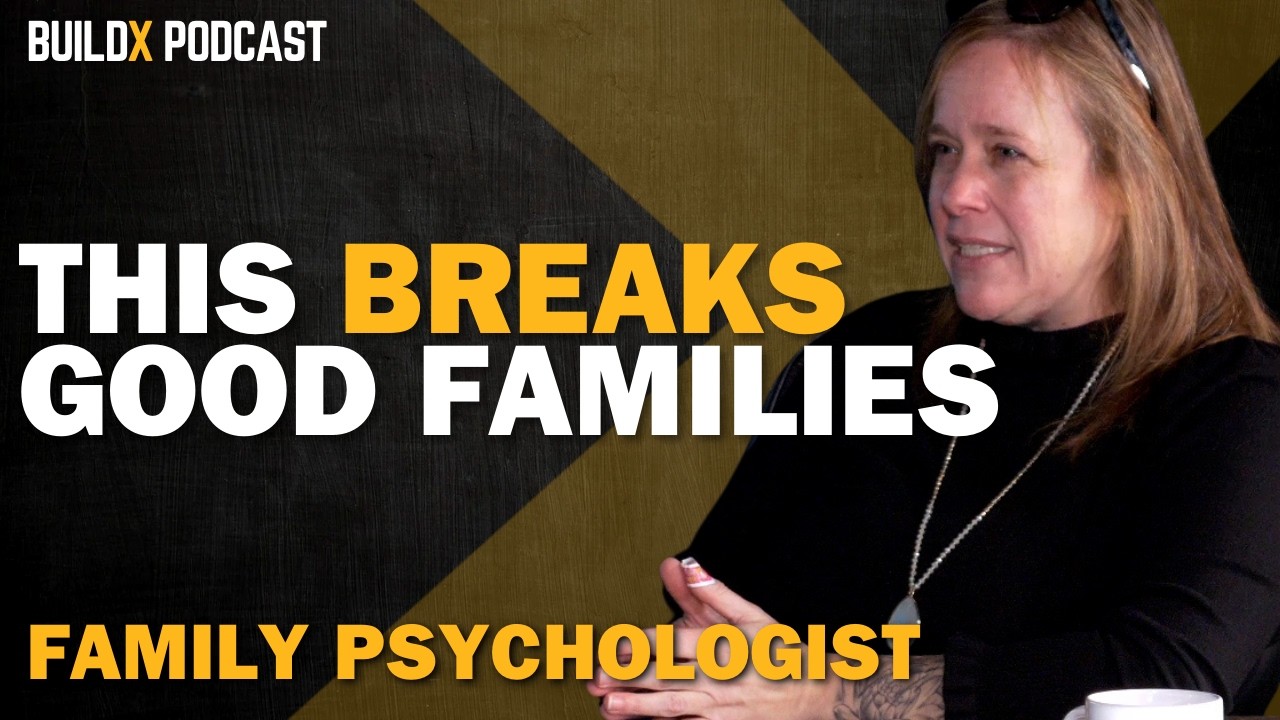
Watch: Psychologist Explains Why Family ADUs Go Wrong
You've probably done some research, and you know about what an ADU is going to cost. Maybe you've already found a builder you like, and you are ready to sign and put down a deposit. The last thing you want to do is to slow down the process by calling a family meeting, because you've already made the decision and you don't really want to bring in the family for a vote. We totally get that. When a family is finally ready to move a parent closer, or give an adult child their own place, the momentum really feels like you're making progress on the project and you don't want to slow that down by complicating things with a big family meeting.
My name is Buz Artiano, founder of BuildX. We've built dozens of ADUs all over Massachusetts, but the majority of our builds have been on the South Shore and in Plymouth County. We handle everything in house, including the design, permitting, and construction, we do it all. That means we sit down with families before anybody starts drawing plans, and we deal with the real issues early. Things like septic and Title V, wellhead protection districts, lot coverage, and what a town will actually approve under the by-right ADU law versus what needs a fight at the board of health. We've built enough ADUs to know the best ways to succeed, and we can help you understand where some projects fall apart as well.
Here's what we've learned after building tons of these things. An ADU project ends up being about 70 percent family dynamics and only 30 percent actual construction. The construction is what everybody worries about and thinks about and plans for. But most people don't realize that family dynamics are the number one thing that kills these projects. We know this from experience. We once had a deal where they were ready to pull the trigger, we had a contract ready for them to sign and everything, but the deal died on a single Zoom call because there was one person missing from the call. If you don't want your project to collapse, you have to have the right people on that call.
Quick Answer: Anybody and everybody in the family who could later object to the project needs to be on the call before you sign anything. That means both homeowners, every adult child, and anyone in the family whose opinion carries any weight. Get everyone together on a Zoom call before you spend any money on survey, engineering, or plans. A project can appear to be approved, financed, and ready, but it can still be vetoed at the very end by someone who should have been included on that first call and wasn't. That first call should be free, and with us it is. It's the most important step to make sure the family is all on the same page before money gets spent. If one person is not on board with the idea, you want to know up front, not after you've paid for drawings that you can't even use.
In This Article
- Who Actually Needs to Be on the Call?
- What Happens When Someone Gets Left Off?
- Why Get Everyone Aligned Before You Spend a Dollar?
- Can't You Just Ask Whether the Family Agrees?
- How Do You Get a Real Yes or No Without Spending $15,000?
- When Is Slowing Down the Wrong Move?
- Have the Hard Conversation Before You Sign
Who Actually Needs to Be on the Call?
Basically anyone in the family who can say no and stop the project. Not anyone who has to say yes, just anybody who can veto the whole thing. Usually that means both of the homeowners, every adult child, even if they don't live close, and anybody else who has major influence on family decisions. It doesn't matter if one of the adult children lives across the county or another one claims they are staying out of it. If what they say can stop the project, they need to be on that call.
Unfortunately, most families get this part of the process wrong. Two people, usually a couple, sit down with us, love the idea, and assume the rest of the family will be on board. But that assumption is risky. Just because the two people who are in the room are on the same page, doesn't mean the rest of the family is. The person who is not in the room doesn't seem like a problem until they decide they don't like the idea and say no to the project and everything shuts down.
What Happens When Someone Gets Left Off?
We had a project once where everything seemed like it was going to work out beautifully. The site checked out, the numbers worked, the town was ready to permit it, and the contract was ready to sign. Then the homeowner said she needed to show it to her son first, so we set up a Zoom call. The son joined, and the first thing he told us, before anybody had even said anything, was that he was against the whole project.
Unfortunately the project was a no go after that. Not because the ADU couldn't be built, it didn't shut down because of a construction issue. It was shut down because we only thought the decision was final, but it wasn't because people who had a say were left out of the original conversation. We had been meeting with two people and we assumed they were the whole decision. We found out later that they weren't.
We learned our lesson with that situation. We now ask everybody from the get go on every project who else is involved in this decision? It's such a simple question, and it helps to make sure that you don't spend money unnecessarily. If you are reading this story, and you're the one trying to manage this project on your own or if you've got siblings who haven't been included in the conversation, then now is the moment that will determine whether this project survives or not.
Why Get Everyone Aligned Before You Spend a Dollar?
The order you do things in matters more than you think. Before we spend anything on a survey, engineers, or plans, we make sure the family is all on the same page about the ADU. It only makes sense to spend money after that has happened.
This is the pattern that we've noticed after building tons of these ADUs. The expensive phase of an ADU like the surveying, the engineering, and the drawings, only pays off if the project actually goes through, otherwise it's just money for nothing. Family opposition isn't a small problem that you'll see right away. It comes out at the worst possible time, usually right after you've spent a bunch of money, and by then it's not about whether you can build or not, you're just deciding whether to walk away from money you already spent. So we always do a no-charge call first, and we walk the property, before we ever ask anyone to pay anything. The family call is just one obstacle we have to get past. The site feasibility work is another. Both of those things come before the contract, on purpose, so that nobody spends money on a project the family or the property won't support.
Can't You Just Ask Whether the Family Agrees?
You would think you could simply ask the family whether everyone is on board and take the answer and run with it. Dr. Amber Bartlett, a business psychologist we hosted on the podcast, told us that if one of six adult children is blatantly opposed to the idea, the family should not waste the time. Which sounds like an easy screening question to be honest.
The issue is that you don't always know for sure. People are not always honest with themselves about how they feel. The couple in front of you believes the family is ok with everything because no one has spoken up to say otherwise, but silence is not necessarily agreement. That's why it's better to get the family together on a call. A quiet objection might not even make itself known until things start getting expensive. It may be uncomfortable to get someone on a call who doesn't like the idea, but it's so much cheaper than discovering the issue later on.
How Do You Get a Real Yes or No Without Spending $15,000?
You just apply the same logic that you would for governing the property. You want a real answer, a clear yes or no, before you commit serious money, and you can usually get it for next to nothing.
We have a project in Easton right now where half the lot is in a wellhead protection area, which means we were unsure if a new septic system would even be allowed. But you never guess at stuff like this, so we spent $1,500 to have a civil engineer work with the town and get a definitive answer, so we knew for sure we had a green light. If they had told us no, we would have lost that $1,500, but saved everyone from pouring money into an impossible project. What we refuse to do is let someone spend $15,000 drawing up and designing an ADU that could never happen.
That's the whole idea. You always try to get the cheapest answers first. A small fee is usually all it takes to be absolutely sure that your project is possible. That goes for the family side of things as well. Get the cheapest answers first. Once a project is all clear on both sides, everything changes. Now everybody is in it together, working through whatever the next steps like the town, the water department, the power company, and all the other things you have to wade through on every build. Now you've got your team working towards the same goal, and the reason it works that way is because you got everybody in alignment in the very beginning.
When Is Slowing Down the Wrong Move?
We're a little biased here. We build under one roof, and we insist that the family is all on the same page before we quote, so of course we are usually going to tell you to get everyone on a call together. But that's not always the right way for every family. If you already know exactly what you want, and your family is generally in agreement with no other major influencers outside of the family, a builder who just starts executing your plan right away with no questions asked and they might be a little faster than us. Some people do not need the hard questions asked, and bringing everybody in to give their opinion might only cause problems.
Just pay attention to how any builder handles this. If they're willing to slow down, get your family on a call, and answer questions before asking for money, that's a good sign of how they will handle any problems later. But if someone is pressuring you to sign a contract before your family has had time to talk about it, that may not be a good sign. Having an honest discussion with a builder is worth more than any brochure, and it costs you nothing to do it.
Have the Hard Conversation Before You Sign
It's not just about whether to build an ADU. It's whether the people who could stop this project are in the room while it is still cheap to find out. Get everyone on a call, get a straight answer on the property, and don't sign anything or pay any money until you do. Families who do this in that order tend to build. Families who skip it find out the hard way that someone was never on board.
We'll get everyone who matters on one call, walk your property, and give you a straight answer on whether an ADU works for your family before you spend a dollar on survey or engineering.
Walk through a completed ADU or Request a Free Consultation
Call us: (781) 627-7000