
Should You Own or Lease Solar Panels on Your ADU: What Happens When You Sell?
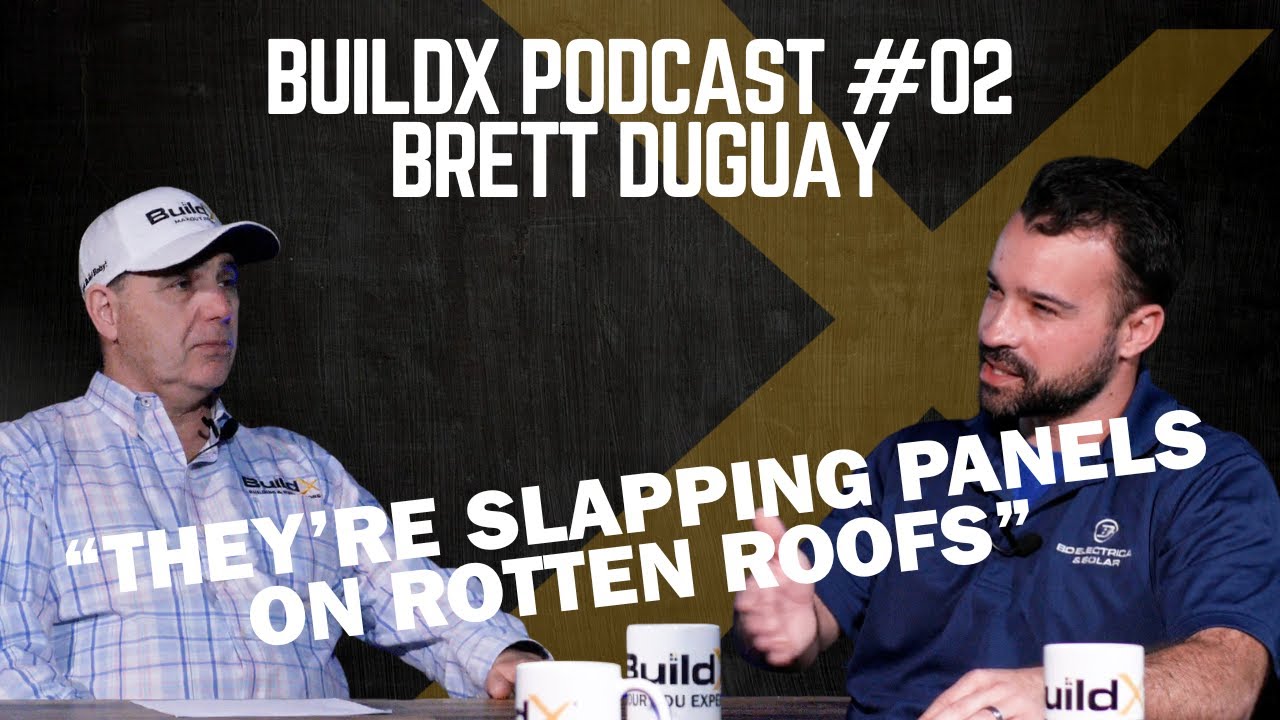
Watch: Solar Truth Bombs, Battery Myths & The Real Cost of "Free" Power w/ Brett Duguay | BuildX Podcast #02
You've heard the sales pitch for solar. Zero dollars down, free solar, no upfront cost, the company handles everything, and you save on your electric bill starting day one. It sounds like the perfect thing to add to your ADU project, especially when you're already at the max end of your construction budget. But you can't help but wonder if there's a catch.
My name is Buz Artiano, and I am the founder of BuildX. We've built dozens of ADU projects across Massachusetts, mostly around the South Shore and Plymouth County areas. We are the only team you need, we handle design, permitting, and construction. So we see every phase of a project from the first site visit up until you move in. We deal with septic constraints, zoning issues, and the state's new ADU laws. Solar ownership is one of the decisions that directly affects your long-term cost of living in an ADU, and it needs to be looked at just as closely as the quote for the build itself.
In this article, we'll talk about the differences between owning and leasing solar panels on your ADU, what each option means when you sell your home, and why the zero-down lease deal is usually too good to be true. We believe everyone deserves to have all the information before they sign anything, you need to understand what you actually own and what someone else owns on your roof.
Quick Answer: You always want to own your solar panels. When you own the system outright, or through a bank loan, you collect the 30 percent federal tax credit, you benefit from net metering credits, and the system adds value to your property when you sell. There's no complicated paperwork or extra cost when you sell the house. A lease or power purchase agreement (PPA) locks you into 25 to 30 years of payments to a company that owns the panels on your roof. When you sell, the buyer has to be willing to take over that contract, and some buyers don't want that extra commitment so they walk away from the deal. Local banks like Cape Cod 5 and UMass Five offer 100 percent solar-specific financing as an alternative to leasing.
In This Article
- Should You Own or Lease Your Solar Panels?
- What Happens to Owned Solar Panels When You Sell Your Home?
- What Happens to a Leased Solar System When You Sell?
- Why Is Zero-Down Solar Too Good to Be True?
- How Can You Finance Solar Without Entering a Lease?
- Is Owning Solar the Right Move for Every ADU Project?
- Your Roof, Your Decision, Your Equity
Should You Own or Lease Your Solar Panels?
Always own them. That's the short and honest answer. You want to own the panels whether you are adding solar to an existing home or building it into a new ADU.
When you lease solar panels or sign a power purchase agreement, you are agreeing to purchase electricity from those panels for the next 25 to 30 years. You don't own the system that's on your roof, the solar company does. Which means they get the federal tax credit and the state incentives and the renewable energy credits. And on top of that they still charge you for the electricity those panels produce, typically at a 20 to 30 percent discount off what your previous bills were. That discount sounds good until you realize you gave up the other financial benefits of the system to get that small discount.
When you own the system, it works the other way. You get the 30 percent federal tax credit and the net metering credits that bank the extra energy the panels create in summer to help offset your winter bills. You control the system, and once it's paid off, your electricity is essentially free for the life of the panels, which is usually 25 years or more.
The upfront cost is a real consideration, but it has a solution. If you can't purchase the system outright, local banks including Cape Cod 5 and UMass Five offer solar-specific loans with 100 percent financing. If you're already financing an ADU, the solar cost can usually just be built into the construction loan, which means you own the system from day one and still only have one payment.
What Happens to Owned Solar Panels When You Sell Your Home?
When you own your solar system and decide to sell your home, the transaction is pretty simple, the system just goes with the property as part of the sale. The new owner takes over the monitoring account, which is just paperwork, it doesn't cost anything.
One important thing to remember is that if you own your panels, you are in a great position to sell. When you can show a prospective buyer utility bills that average only $40 per month on an all-electric home, that's a huge selling point. That means they can save $600 to $800 per month, which helps with the home's appraised value and its appeal compared to similar properties that don't have solar.
It's easy because there's no contract to transfer and no third party sitting at the closing table, and you don't owe anything on the equipment. The buyer gets a home with a working solar system that's already paid for, that will give them free electricity for years to come.
What Happens to a Leased Solar System When You Sell?
This is where the zero-down deal creates real problems. When you sell a home with a leased solar system, you're not just selling a house, the buyer has to take over your lease for the remaining term, which could be 15, 18, or 20 years depending on when you signed.
That means the solar company comes to the closing table with you. The buyer has to agree to take over the lease, which includes monthly payments to a third-party company they never planned for, and they're paying for equipment they don't even own, and they also had no say in the solar contract that they are now taking over.
Some buyers are ok with that, but most of them aren't. In the Massachusetts market, we've seen home sales not go through because the buyer didn't want to inherit a solar lease. The lease becomes a liability attached to your property that makes it harder to sell, instead of being an asset that makes your home more attractive to potential buyers.
We always ask homeowners who are thinking about doing a solar panel lease if they're planning on selling the home in the next 10 to 15 years. If the answer is yes, or even maybe, you need to make sure you understand that you'll be only partway through a 25-to-30-year contract when you're trying to sell your home. Having a solar lease isn't a benefit to advertise, it just makes things more complicated.
Why Is Zero-Down Solar Too Good to Be True?
The zero-down model works well for the solar company, but it's not beneficial for whoever is buying the panels. Here's why.
Under a lease or PPA, the solar company owns the equipment on your roof. They are the ones who filed the permits and they collected the 30 percent federal tax credit on the installation. They enroll the system in SMART or SREC incentive programs and they collect that money, too. They work out a deal where you pay them for the electricity your roof produces, at a discounted rate, for up to 30 years.
You got panels on your roof without paying anything upfront, but you're not getting any of the financial incentives that your system qualifies for. On top of that, you're not able to sell your home without a third-party contract attached to it. So you're trading a lot of benefits in exchange for that zero-dollar upfront cost.
The solar industry has leaned heavily on this method of doing things, and it's created a lot of real problems. Over 100 solar companies went bankrupt in a single recent year in this country. When those companies go under, the people who leased systems from them are left with equipment they don't own, service agreements with nobody to do the work anymore, and legacy contracts that even further complicate everything from repairs to trying to sell your home.
We see this happen all the time on our ADU projects. A family finances the ADU construction and wants to add solar but feels like they can't afford an extra cost. The zero-down sales pitch feels like a solution. What we tell people is that if you're already getting a construction loan for the ADU, you can usually just add in the cost of the solar system into the same loan. That way you own the panels from day one, so you collect the tax credit and keep all the incentives. And when you put the property on the market, the solar system is a huge selling point, not a messy liability. We know this because we've built enough of these projects to see what happens five and ten years down the road.
How Can You Finance Solar Without Entering a Lease?
You have more options than the lease companies want you to believe. There are three ways you can own your solar system and stay in control of it and keep all the financial benefits.
Bundle into your ADU construction loan. If you're financing an ADU build, ask your lender about including the solar system in the total project cost. This way you still only have the one loan and one payment, but you own the system from day one.
Use a solar-specific bank loan. Local Massachusetts banks, including Cape Cod 5 and UMass Five, offer solar-specific loan products with 100 percent financing. These are just regular loans with great interest rates, they're not lease agreements that are made to look like a loan. You borrow the money, install the system, and you own it.
Use a home equity line of credit (HELOC). If you have equity in your property, a HELOC can pay for the solar installation at a lower interest rate than you can get a personal or signature loan for. When you own the solar system, it adds value to your property, it doesn't create a headache for potential buyers.
If you do your solar financing in any of those three ways, you keep that 30 percent federal tax credit, the net metering credits, and you are the owner of the system. The monthly loan payment is usually about the same as a leasing company would charge, but the loan ends when the system is paid off. The lease goes for 25 to 30 years.
Is Owning Solar the Right Move for Every ADU Project?
Not always. We'll tell you that honestly because honesty about what the real options are builds trust, a sales pitch does not.
If you're building an ADU on a lot with a lot of trees and where the roof faces north and you can't get enough sun exposure for the panels, the math doesn't work, it makes no difference whether you own or lease if there's not enough sun hitting the panels to make them efficient. Solar production depends on which way your roof faces, how much shade there is, and how much room there is to put the panels on the roof. A south-facing roof on a 900-square-foot ADU with a 40-foot ridge and a six-pitch slope can generate enough power to get to that net-zero level that most people want. A roof with a lot of shade or that faces north won't produce enough electricity to justify what the system costs.
If you're in a position where the additional cost of solar, even if it's financed, would push the total project cost past where you're comfortable, it might be better to just future-proof the ADU for solar by running conduit from the crawl space to the attic during construction. Then you can add the panels later when money isn't as tight. That's what we do on every ADU we build. We install the conduit and the exterior cable setup for a future EV charger so the house is ready when you are.
We will never think that leasing solar panels is a good idea, but the timing is up to you. If you're not ready for solar today, that's perfectly reasonable. If you're ready, but you're thinking about doing it with a lease because it seems like it would be easier, we hope you'll look at the ownership options first. The lease may be "easier" at first, but it comes at a 25-to-30-year cost that most families don't realize the weight of until they try to sell.
Your Roof, Your Decision, Your Equity
The choice between owning and leasing solar panels on your ADU comes down to whether you want the system to be an asset that adds value to your property, or a contract that creates huge headaches when you go to sell it. Owning the panels puts you in control of the incentives, the credits, and the equity. A lease puts the solar company in control of your roof for the next 25 years.
If solar is part of your ADU plan, start the conversation before you sign anything with a third party. The financing options are more accessible than the lease companies suggest, and the long-term difference is measured in tens of thousands of dollars.
We will walk through your site, evaluate your roof orientation and solar potential, and show you what ownership looks like with real numbers for your specific project.
Tour a Completed ADU with Solar or Request a Free Consultation
Call us: (781) 627-7000