
Can You Get a Second Mortgage on Your ADU After It's Built?
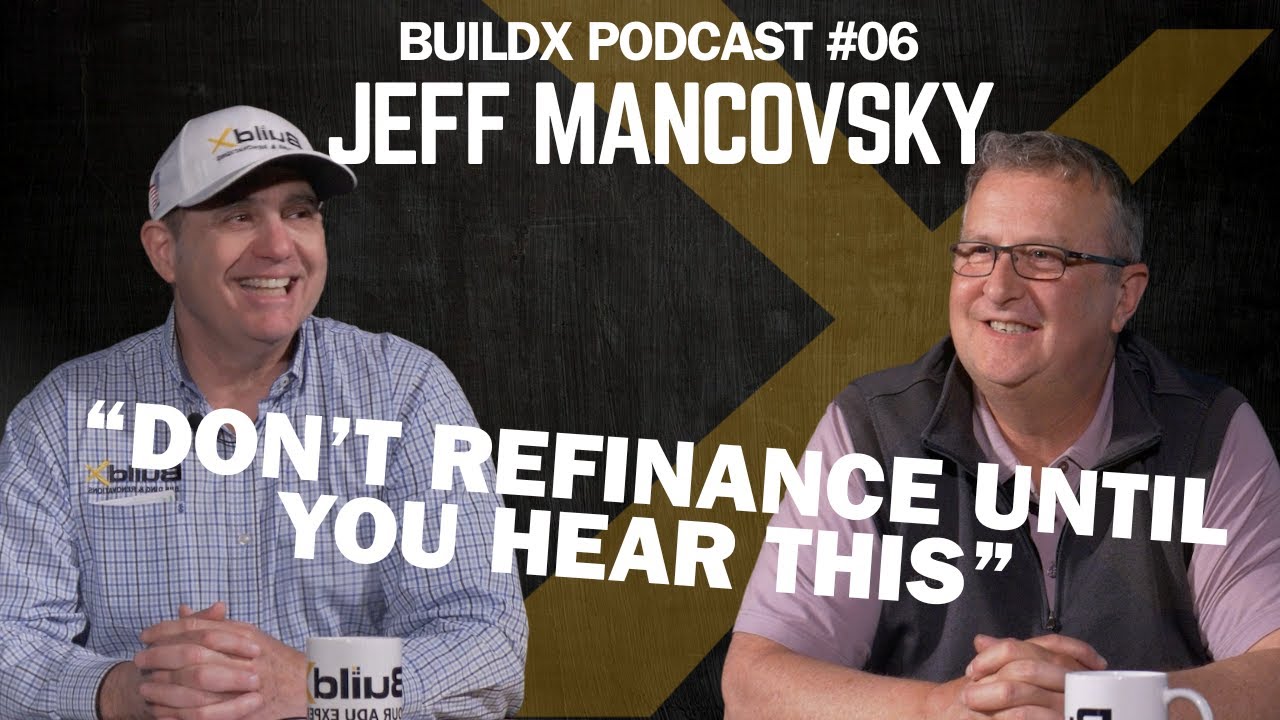
Watch: ADU Loans, HELOC Myths & Financing the Family Home Right w/ Jeff Mancovsky | BuildX Podcast #06
You took out a HELOC, built the ADU, and now the project is done. You have the occupancy permit in your hand and the family is moved in. But the HELOC adjustable rate is still in force and when the Federal Reserve announces a raise in it, it feels personal. You would like to know if you can lock in a payment that is fixed since the building is finished.
My name is Buz Artiano, and I am the founder of BuildX. We've built dozens of ADU projects across Massachusetts, mostly around the South Shore and Plymouth County areas. We are the only team you need, because we handle design, permitting, and construction all in one place, so we can see every part of the project from the first site visit until you move in. We deal with septic systems, limit on lot coverage and all the regulations for getting a permit. The financing question you are asking right now is one we hear on nearly every project.
This article will outline just exactly what happens to your choices for financing after your ADU is complete and occupied. The short answer is yes, you do have options. The longer answer includes knowing why the ADU is not a separate property, what "owner-occupied" means in terms of your financing, and how to decide if a second mortgage, a full refinance, or staying on the HELOC makes the most sense for your family.
Quick Answer: Yes. Once your ADU is built, occupied, and has a certificate of occupancy, you can take out a fixed-rate second mortgage and pay off the adjustable-rate HELOC that you used while building. The ADU will then be a part of your property, so the second mortgage is a second lien on the whole property and not just a loan on the ADU. This will give you a predictable monthly payment and gets rid of the risk of an interest rate hike like you have with the adjustable HELOC. If rates go down more, you also have the ability to refinance everything into one mortgage with only one payment.
In This Article
- Can You Really Convert Your HELOC to a Fixed Second Mortgage After the ADU Is Done?
- Why Can You Not Get a Separate Mortgage on Just the ADU?
- What Does "Owner-Occupied" Mean for Your ADU Financing Options?
- What Are Your Three Post-Construction Financing Options?
- How Does the Appraisal Work After the ADU Is Built?
- Is a Second Mortgage the Right Move for Every ADU Family?
- Your ADU Financing Does Not End When Construction Does
Can You Really Convert Your HELOC to a Fixed Second Mortgage After the ADU Is Done?
Yes, and the key word is after because if the ADU is still being built the lenders consider the project as unfinished collateral. The property is still in transition. But once the ADU is completed you will have an occupancy permit, and someone is living in the ADU. So the property qualifies as owner-occupied. That will allow you to get a second mortgage that you weren't able to get during the building process.
A second mortgage works like a second lien on your property. It comes in behind your first mortgage in the place of the HELOC balance and has a fixed interest rate and a fixed monthly payment. Your first mortgage will stay exactly the same. If you got a 3% or 4% interest rate during 2020 or 2021, that won't change. The second mortgage only deals with the HELOC balance you used to pay for the ADU.
This difference matters because the biggest concern we hear from families thinking about doing a HELOC-funded ADU is that their interest rates can now go up. They understand that a HELOC is adjustable and that rates can move. But they need to know that the adjustable rate is only temporary and once the ADU is finished they have a way to exit.
Why Can You Not Get a Separate Mortgage on Just the ADU?
After the ADU is built, it becomes part of your property not a separate piece of property. It does not have its own deed. To a lender, your home and the ADU are one asset with one title.
That means you can't go into a bank and say, "I want a mortgage on just the ADU." The lender only sees one property so that means that a new loan is a lien against the whole property not just against the ADU structure alone. This is true whether the ADU is attached or detached, and it is true no matter what the ADU's appraised contribution is to the property value.
This is why the order of the financing matters. While building most families use a HELOC (home equity line of credit), which is a revolving line of credit against the equity they have in the main house. Usually the HELOC doesn't require that the lender know what you are using the money for. After the building is completed, the family can move that debt into a fixed-rate second mortgage or, if rates have gone down enough, put everything into a single new first mortgage.
What Does "Owner-Occupied" Mean for Your ADU Financing Options?
Lenders recognize the differences between properties where the borrower lives and investment properties where the borrower does not. Properties that are owner-occupied get better rates, more product options, and can make lower down payments. For your ADU to get the best post-construction financing, the property needs to be occupied by the owner.
In most ADU situations we build at BuildX, the homeowner lives in the main house and a family member lives in the ADU, or the homeowner moves into the ADU and a family member moves into the main house. Both arrangements will work as owner-occupied because someone on the title is living on the property.
The occupancy requirement is what will qualify the ADU as owner-occupied. Once the ADU has a certificate of occupancy and residents are living there, the lender can verify that the property is complete, lived in and has the value that supports the loan. Before that point, the project is without evidence from the lender's point of view.
What Are Your Three Post-Construction Financing Options?
Once the ADU is finished and occupied, you are not locked into the HELOC forever. There are three options open to you and the right one depends on your first mortgage rate, how much equity you have and where interest rates are at the time.
Option 1: Fixed-Rate Second Mortgage
This is the most common way to move away from a construction HELOC. You take out a fixed-rate second mortgage and pay off the HELOC balance. Your first mortgage stays exactly the same. You will have a monthly payment that you can count on for the second lien, and the adjustable-rate risk does away.
This option makes the most sense if you have a first mortgage interest rate below 5% and the current market rates are higher than that. If you refinanced the whole property you would have to give up your low interest rate so just putting the ADU debt in a second mortgage will let you keep your current terms.
Option 2: Full Refinance Into One Mortgage
If interest rates drop to a level where refinancing your first mortgage saves you money, then you can put everything, both the original mortgage and the HELOC balance, into a single new loan with one monthly payment. This makes our debt structure simpler and you can also lower your monthly payment if the new rate is competitive.
The central boundary is that you must be close enough to your existing first mortgage rate that giving it up is worth consolidating. For example, if you have a 4.25% first mortgage and market rates drop to 4.5%, that might work. If market rates are still at 7%, it does not.
Option 3: Stay on the HELOC
If your HELOC balance is small compared to your income and you are comfortable with rates going up and down, staying on the HELOC is a worthwhile choice. HELOCs have no prepayment penalties in most cases, so you can pay down the principal as much as you want and reduce your risk over time.
We see families choose this path when the cost of the ADU was on the lower end, usually under $150,000, and their household income can handle payments going up and down without stress. There is a risk but it is manageable for smaller balances.
We take families through this decision before construction starts, not after. At BuildX, we help you find lending professionals who specialize in financing ADUs before the first permit application is filed. The reason is simple. The plan you have for moving from your HELOC will help you decide how much you borrow, what terms you accept, and how aggressively you pay for the ADU. We have seen families who planned to convert to a second mortgage from the very beginning and closed on their fixed-rate loan within 60 days of living in their ADU. Families who did not plan ahead spent months going through appraisals and lender requirements after the fact. The financing plan and the construction plan are not separate things to discuss, they are just one plan.
How Does the Appraisal Work After the ADU Is Built?
When you apply for a second mortgage or a refinance after your ADU is complete, the lender orders an appraisal of the entire property. The appraiser evaluates the main house, the ADU, the land, and the value of the property all together.
This is where the ADU pays for itself on paper. A well-built ADU with a full kitchen, bathroom and separate entrance and one that also complies with all the codes, adds concrete value to the property. The appraiser is looking at the finished product, not at the budget for the construction. If the ADU increased the value of the property by more than the construction cost, you have created equity and that is what helps you get the second mortgage or the refinance.
The appraisal also gives you a loan-to-value (LTV) ratio. That is the total amount of debt on the property divided by the appraised value. Most second mortgage programs require you to stay below 80% to 90% LTV on the first mortgage combined with the second mortgage which is total debt. If your property appraised well, you have more room to work with.
Is a Second Mortgage the Right Move for Every ADU Family?
No. Changing over to a second mortgage makes sense for families who used a HELOC to build, want their payments to be predictable, and plan to stay in the property long enough for the closing costs on a new loan to make sense. If you plan to sell within two to three years, the closing costs for a second mortgage might not be worth getting stable rates.
Families with small balances on their HELOC and high incomes may be better off paying down the HELOC aggressively rather than changing over. Families whose first mortgage rate is already close to current market rates may be better off with a full refinance instead of a second lien.
And families who are just beginning the planning process for an ADU need to know that a HELOC isn't the only way to pay for the building costs. There are construction loans, renovation loans, and specialized ADU lending arrangements, and the right one depends on your equity, your income, and what your long term plan is. We want every family to talk with at least two lenders before deciding on their financing.
Your ADU Financing Does Not End When Construction Does
The HELOC that funded your build was just a tool to start with, not the final answer. Once your ADU is complete, occupied, and it's been appraised, the discussion about financing takes place. A second mortgage with a fixed rate gives you predictable payments and you don't have to change anything about your first mortgage. You can simplify everything with a full refinance into just one loan if the rates are good. And staying on the HELOC also is an option if the financial arrangements work for your family.
The decision is yours, and it begins with understanding your options. That is what this article is for.
We will walk through your financial position, connect you with lenders who specialize in ADU financing, and help you understand the real numbers before you commit to a construction plan.
Request a Free Consultation or call (781) 627-7000
See our work in person: buildx.com/adu-home-tour/