
How Do You Vet an ADU Builder Before Signing a Contract?
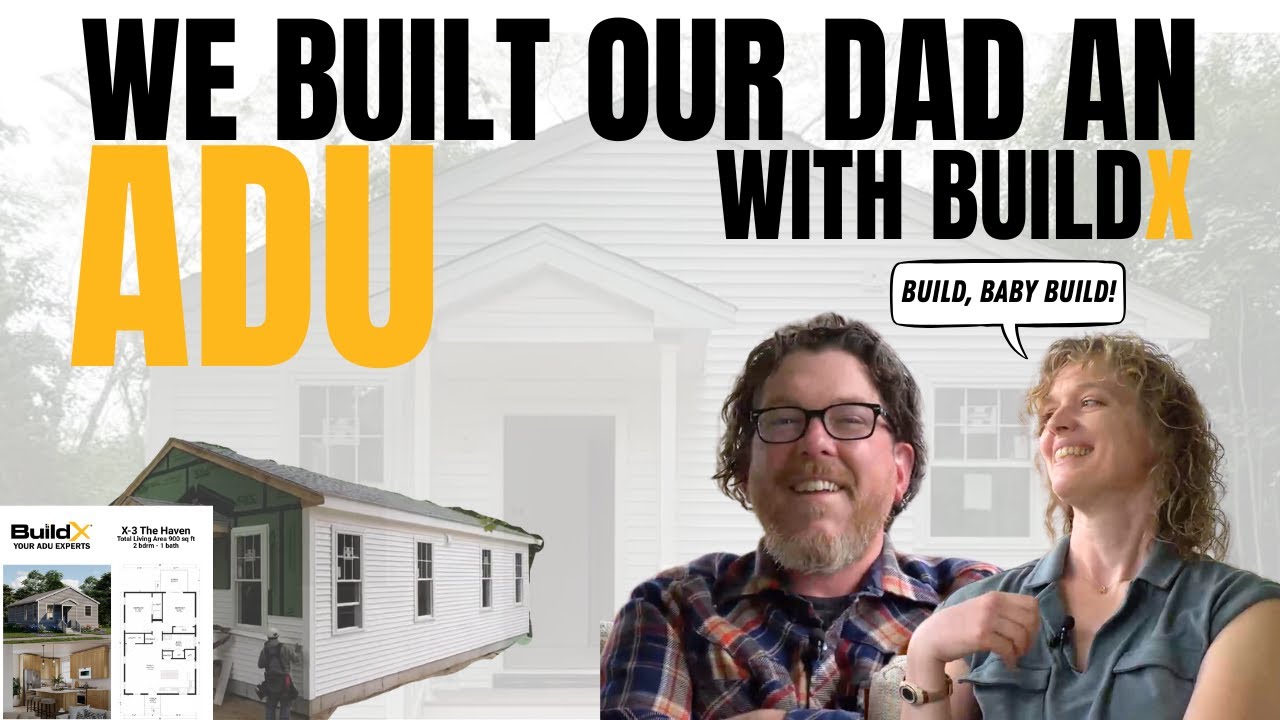
Watch: Why This Family Chose BuildX Instead of a Nursing Home
Hiring a company to build an ADU is one of the most costly choices most families will make, and the fear of choosing the wrong one is a very real feeling. You are about to give someone a check in the six figure range to build something on your property, and you have no good way to be able to know which builder will show up every day from the one who will disappear when your deposit clears. Every contractor has a professional looking website and every estimate looks professional as well. But when the framing starts and problems begin to come up, you will find out quickly if you made a good choice or if you made a costly mistake.
My name is Buz Artiano, and at BuildX we have put up dozens of ADUs in the state of Massachusetts, many on the South Shore and Plymouth County. We take care of the design, the permits, and construction all in one place and that means we can deal with evaluating the septic, lot coverage restrictions, and city zoning requirements on each individual project. We know what makes a good builder because we are one, and we also know exactly what homeowners need to be on the lookout for when they are deciding on a builder, including us.
Adam and Keely Farrell are BuildX clients and we built their two-bedroom, 900-square-foot detached ADU in Plymouth for Keely's stepfather, Scott. Before they chose us, the Farrells talked to six different builders. Their selection process is one of the most thorough that we've seen from any other family, and the standard that they used to narrow down six different builders to just one is the same one we recommend to every homeowner looking to build an ADU.
Of course you would expect us to share stories from families who had a good experience. But we are sharing the Farrells' story because they did their research, interviewed all of the six builders, and chose us based on a formula that didn't have anything to do with how persuasive our presentation was. Their honest point of view on the difference between a good builder and a questionable one is more useful to you than anything we could say about ourselves.
Quick Answer: You should start out by talking to more than one builder. The Farrells interviewed six before deciding on one. Then judge each builder on how quickly they communicate, and how willing they are to answer difficult questions. They should provide proof of completed projects that you can see in person or on social media, and have a good reputation in their local area that you can check through people in your community. A builder who has done the work will be willing to show it to you openly but a builder who has not will just rely on promises. So ask your neighbors, and check their social media for proof from start to finish, and notice how quickly the company replies when you have a concern.
In This Article
- How Did One Plymouth Family Evaluate Six Builders?
- Why Does Local Reputation Matter More Than Online Reviews?
- What Can a Builder's Social Media Tell You About Their Work?
- How Do You Know If a Builder Will Actually Solve Problems During Construction?
- Should You Expect Your Builder to Push Back on Your Ideas?
- Is This Vetting Framework Right for Every ADU Project?
- Your Builder Search Starts with the Right Questions
- What Should Your ADU Builder Search Look Like?
How Did One Plymouth Family Evaluate Six Builders?
Adam Farrell described how the process worked this way- they talked to six different builders before choosing BuildX. But the interview was not just random. They had the exact same standard for every builder that they interviewed and the ones who didn't come up to it made it clear very early in the process.
The first thing that ruled some of them out was communication. Adam and Keely paid attention to how quickly each builder answered their questions and if their answers were clear or if they did not respond directly. Builders who took days to call them back or gave indirect answers didn't get past the first conversation. The Farrells were not looking for the builder who was the fastest talker. They wanted one who would treat their questions as important concerns instead of roadblocks to making a deal.
The second thing that ruled them out was proof of work. Adam saw a sign on a Plymouth job site advertising the town's first ADU and called to learn more about it. Just the fact that the builder was willing to put a sign up about an on-going project, told Adam that this was someone who was confident enough in their work to invite the public to look at it. Builders who operate in the open have less to hide than builders who keep their projects unseen.
The third thing that would rule a builder out was how reasonable the cost was. Adam noticed that BuildX had a good combination of communication, experience, visible completed ADUs, and that the prices were within a reasonable range. The cheapest bid was not the one they chose and the most expensive one wasn't either. The Farrells looked for a builder whose prices were in line with the quality and a building process they could check with every other standard on their list.
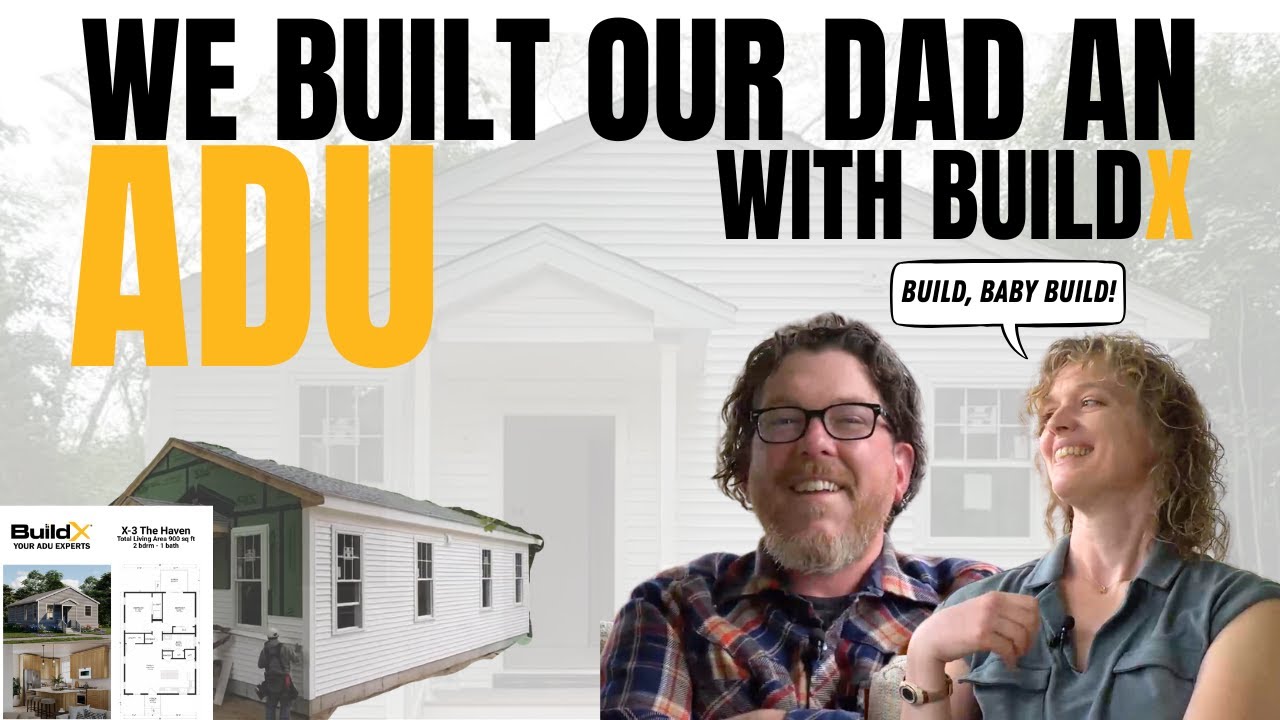
Watch: Why We Chose an ADU Instead of a Retirement Home | BuildX Testimonial
Why Does Local Reputation Matter More Than Online Reviews?
The Farrells did something that most homeowners do not do. They asked people that they knew in the area. Adam brought up the BuildX name to their friends and acquaintances in Plymouth and asked if any of them had worked with Buz and what his reputation was. The answer was the same-people that they trusted in their own community told them that Buz treats his employees well and does the right thing.
Keely took the same approach on her own. She contacted her friends and asked who they would recommend. Without working together on their research, both Adam and Keely kept hearing the same name. When those kinds of questions get the same response from many sources in the community and all point to the same builder, it is a sign that just online reviews alone can't be duplicated.
The reviews you find online can be useful, but also they are easy to make up so you can't always trust them. A five-star Google rating that has five stars just means that someone went in and wrote a few positive words about the company. It's different when a neighbor or someone you know tells you that they saw a builder come to work every day for three months and do everything they promised. In that case it tells you a lot more. The Farrells knew the difference, so that is the reason they decided to go with BuildX. They didn't make that decision just because of claims on a website or a review rating.
What Can a Builder's Social Media Tell You About Their Work?
Adam said something about social media that most people don't even notice. He said that a builder who knows what they're doing will put their projects out to the public from the time they begin through the finish so that everyone can see the process. It's not about how pretty your page or feed is. It is all about being real and honest.
A builder who posts pictures of the foundation work, framing, insulation, and finish carpentry is showing you every part of the building process where problems might be covered up. A builder who uses only glamour shots of finished kitchens is just showing you the part that looks good and hiding other parts of the ADU that matter the most. When you go on a builder's social media, look for the ugly parts of the construction like the trenches, the concrete pours, and the rough framing in the rain. If those photos are there, the builder is confident in their process. But if just the pretty pictures show up, you should question what they are not showing you.
The Farrells specifically listed BuildX's Instagram photographs as a part in their decision. Adam said that if you are a builder who knows what you are doing, you are advertising from beginning to end so that it is out there for everybody to see. The degree that the process could be seen made the Farrells confident that there were no hidden shortcuts in the construction process.
How Do You Know If a Builder Will Actually Solve Problems During Construction?
Every build has problems. Lumber can come damaged and an inspection can find surprises. There is sometimes weather that postpones framing by a week. The question is not whether problems will happen but if the builder deals with these problems as emergencies to fix or inconveniences to avoid.
Adam talked about a pattern that was repeated over and over throughout their project. Any time they had a concern or worry that made them think they couldn't go forward, Buz would call on the phone or Zoom with them that very same day. He would not put it off until next week or after a follow-up email. He would talk to them that same day and he wasn't defensive. The goal was always the same- to work together, to figure it out and see how we can move forward.
Keely agreed on the same pattern when dealing with the design. If something was not exactly like they had imagined, it would be fixed quickly. When something needed to be discussed an evening Zoom calls would take place and the changes were made while they watched on screen.
We give that kind of response throughout our entire process because we know what happens if builders don't do this. If the builder does not communicate with the homeowner for 48 hours when they have a concern, then trust will fail completely. The homeowner will start to imagine worst-case scenarios. They will talk to their attorney and also call the inspector. So what began with just a simple question about a window placement is now a crisis for the entire project just because nobody answered a phone call. We respond to every concern the same day, not because we are trying to impress anyone, but because we have seen projects fail from silence. We know that a 24-hour communication lapse will cost more to fix than an actual defect with the ADU itself.
Should You Expect Your Builder to Push Back on Your Ideas?
One of the most significant things from the Farrells' experience was what Adam noticed about pushback. He said plainly that you do not want a yes man. Sometimes the Farrells would suggest an idea, and the BuildX team would tell them that it was a terrible idea and explain why. Adam appreciated that honesty because they had never built a house before. So when someone with building experience said no, and told them the reason why, it was more valuable than a builder who agreed with everything just to keep the client happy.
This is another principle for checking out a company most homeowners don't think of doing. When you first talk with a builder, test out an idea you are not certain about and see what they say. If they agree with everything you say they either lack experience or are afraid of losing your business. A builder who will give you a clear explanation of why your idea will not work, and then offer an alternative, is someone who will take care of your investment even when it means telling you something you do not want to hear.
Keely added more information to this. She said the design process was a true collaboration. Buz used 3D models during Zoom sessions and the Farrells could ask him to move walls, reposition windows, and adjust layouts while they were talking. That way they could see everything and make decisions at that same time while the pictures were up on the screen. That combination of honesty about bad ideas and being flexible on good ones is what sets apart a builder who designs with you from a builder who designs at you.
Is This Vetting Framework Right for Every ADU Project?
The Farrells' standards for making a decision worked well for their situation. They wanted to build a detached ADU on their own property in a town where they had built a community network. If you are building in a town where you are new and do not have local people to ask, to get references from the community won't work in the same way. In that case, you will need to rely more on proof of work that you can verify like completed project tours, detailed social media documentation, and references from other clients that you can call directly.
Also, this type of evaluation is for design and build companies that will do all of the work. If you are using an architect, and then a separate general contractor, your evaluation must cover two different relationships instead of just one. The design and build is what we use at BuildX, but we do know that it is not the only way, and some families like the checks and balances that they have when separating the design from the construction.
If your project must overcome complicated regulations, like a failed perc test that must have an engineered septic system, or a lot that needs a variance for zoning, your evaluation should also have a question about the builder's experience dealing with those particular restrictions. If the builder has completed 30 ADUs on lots with none of those issues, they may not be the right fit for a property that will need a Board of Health hearing before any construction can take place.
Your Builder Search Starts with the Right Questions
The Farrells talked to six builders, checked references with people in their Plymouth community, checked out the openness of their social media, tested how responsive they were with communication and paid attention to which builders came back with honest advice. That process took effort, but it made them confident that the builder they chose would show up, communicate quickly and build the ADU they promised. Those families who don't do the work sometimes end up posting online to warn others about their mistakes. The families who do the work end up with a builder they can recommend to their friends and family, which is exactly what the Farrells have done.
What Should Your ADU Builder Search Look Like?
We will walk you through our process, show you completed projects, and answer all the questions on your vetting list so you can evaluate us the same way the Farrells did.
Tour a completed ADU and see our work in person or Request a Free Consultation
Call us: (781) 627-7000